The Chickens (and Cats) Come Home to Roost: Older Women Are Finally Admitting the Career-First Life Wasn't the Whole Story
The Chickens (and Cats) Come Home to Roost: Older Women Are Finally Admitting the Career-First Life Wasn't the Whole Story
Now, I want to be charitable here. I genuinely do. As Pastor Roy Elkins, shepherd of souls and occasional observer of cultural absurdities, I try to lead with grace before I lead with I told you so. But friends, sometimes the universe arranges the furniture in such an obvious way that even a man of considerable restraint has to pause, look around, and say: "Well. Would you look at that."
Because something is happening out there in the land of late-night wine and Amazon Prime subscriptions. Women who spent their thirties and forties cheerfully informed by glossy magazine covers and Women's Studies syllabi that children were optional accessories — like a throw pillow or a timeshare — are now hitting their late fifties and sixties. And a remarkable number of them are speaking out. Loudly. Honestly. Sometimes tearfully.
The regret, it turns out, is real. And it is considerable.
What the Feminist Brochure Promised
Let's set the scene. From roughly 1985 through the mid-2000s, the cultural messaging aimed at ambitious young women was relentlessly consistent: your career is your identity, your independence is your power, and a husband and children are, at best, charming sidequests you probably won't have time for. Third-wave feminism, bless its heart, handed an entire generation of women a roadmap that led confidently and directly to the corner office — and conveniently forgot to mention what the view looks like from there at age 63 on a Tuesday evening.
The promises were intoxicating. You can have it all — just maybe not the messy, loud, inconvenient parts involving small humans who need you at 2 a.m. Travel! Promotions! A kitchen you can actually keep clean! And who could argue? The messaging was everywhere: in Sex and the City, in corporate HR pamphlets, in the approving nods of university professors who treated motherhood like a quaint hobby for the intellectually unadventurous.
Nobody put a 30-year expiration date on the fine print.
The Numbers Don't Lie (Unlike Certain Magazine Cover Stories)
Here is where Pastor Roy sets down his gentle pastoral staff and picks up a spreadsheet, because the data is, frankly, staggering.
Studies on loneliness among childless older women have been piling up like unread New Yorker issues. Research from the University of California found that childless adults over 60 report significantly higher rates of social isolation than their counterparts with children and grandchildren. The American Family Survey consistently shows that adults with grown children report higher levels of meaning and life satisfaction in their later years than those without. A 2023 Pew Research analysis noted that among women over 55 who are childless by choice, a notable and growing percentage describe their decision as one they would revisit if they could.
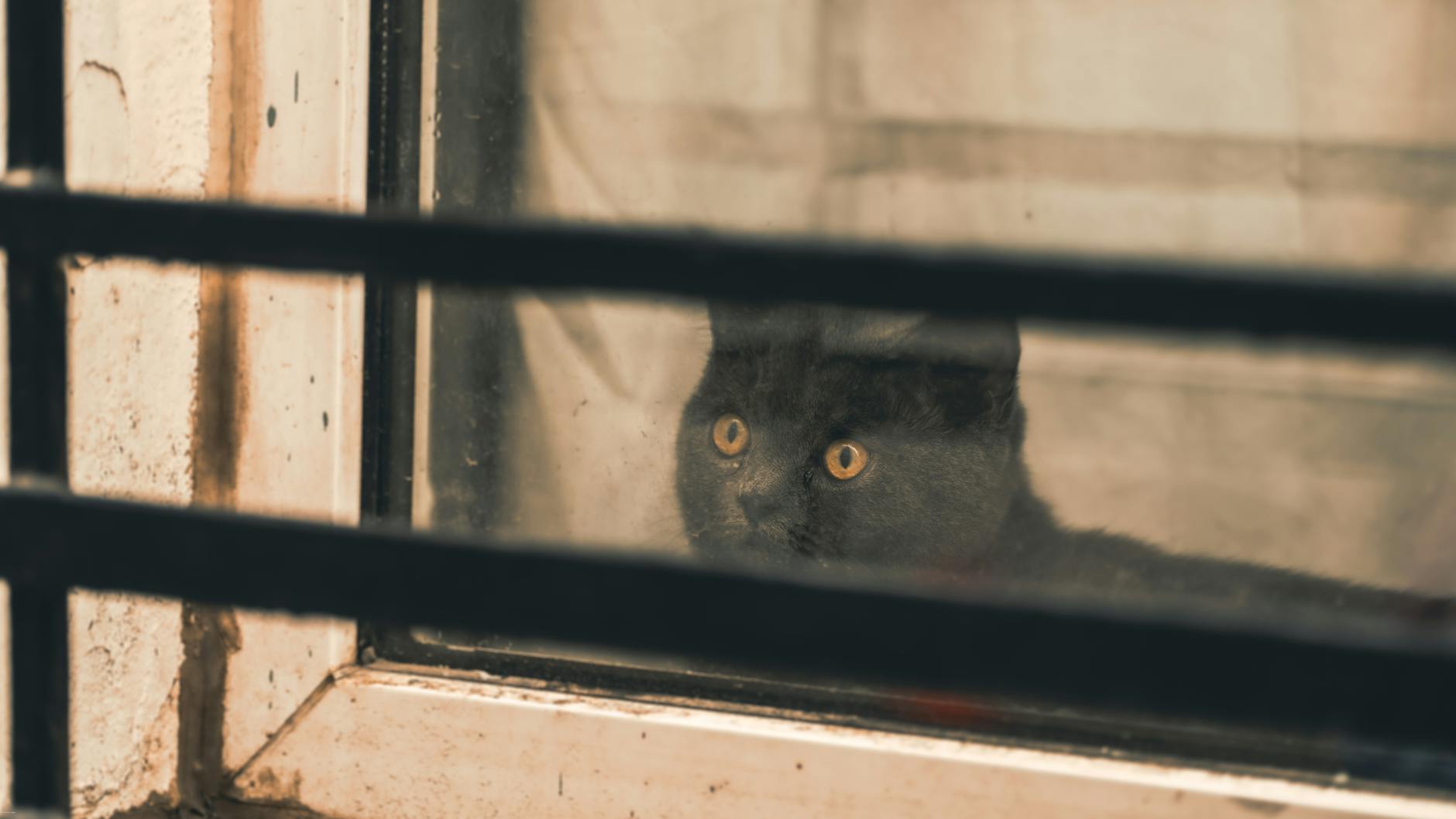
And the loneliness isn't abstract or philosophical. It's Tuesday-night-with-the-cats loneliness. It's no one-to-call-from-the-hospital-waiting-room loneliness. It's watching your colleagues' phones light up with grandchildren photos at the retirement party and realizing your phone has seventeen unread emails from a job that ended eight months ago.
The cats, for their part, are doing fine.
The Women Speaking Out
What's genuinely striking — and, I'll admit, genuinely moving — is the courage it takes for these women to say what they're saying publicly. Because the feminist cultural apparatus does not reward this kind of honesty. Admitting regret about childlessness is treated in certain circles the way admitting you enjoyed Cats (the movie) is treated everywhere else: with immediate social consequences and quiet pity.
And yet they're speaking anyway.
Women like the retired marketing executive who told a podcast audience last year that she'd traded her daughter's hypothetical soccer games for quarterly reports she can't remember. Or the former academic who wrote, with remarkable candor, that she'd spent thirty years being celebrated for her intellect and now found herself eating dinner alone with a level of regularity that no tenure could dignify. Or the retired attorney, sharp as a tack at 67, who said simply: "I was told I was choosing freedom. I don't think anyone was honest with me about what I was also choosing."
These are not weak women. They are not failures. They are, in many cases, extraordinarily accomplished human beings who were handed a value system by a culture that prioritized productivity over posterity — and are now living in the long tail of that bargain.
The Ideology That Aged Poorly
Now, Pastor Roy is not here to suggest that every woman must have children or that a life without biological offspring is automatically a tragedy. The Lord's plan comes in many configurations, and I respect that. What I am here to suggest is that an ideology that actively discouraged women from even wanting children — that treated maternal instinct as false consciousness and motherhood as a patriarchal trap — was selling something that had a very long and very painful return policy.
Third-wave feminism told women to optimize for the first forty years of their lives. It was notably quiet about the next forty.
The grandchildren who don't exist can't visit. The adult children who were never born can't call. The Thanksgiving table that was never set doesn't fill itself with noise and chaos and the particular, irreplaceable warmth of people who are yours and whom you are theirs.
Instead, there is the cat. Who is, again, doing fine. Cats always are.
What Comes Next
The silver lining — and Pastor Roy does insist on silver linings, it's in the job description — is that these conversations are happening at all. Women in their fifties and sixties are breaking a cultural omertà, refusing to perform contentment they don't feel, and offering younger women something the feminist movement conspicuously withheld: honest testimony from the other side of the choices.
Young women today deserve the full picture. They deserve to know that a career is a genuinely wonderful thing and that it does not hold your hand. They deserve to know that independence is worth having and that it does not keep you company at 11 p.m. when the house is very quiet. They deserve mentors who tell them the truth, not just the flattering version.
And if this little corner of the internet — A Dozen Cats or Grandkids — can serve as one small, slightly irreverent outpost of that honesty, then Pastor Roy will consider his work well done.
The cats, as always, remain available for comment. They just won't give you one.
Pastor Roy Elkins writes about culture, family, and the things nobody wants to say out loud until it's almost too late. He has three grandchildren and zero cats, a fact he considers a personal triumph.