The Economy Noticed You Chose the Cats — And It's Ready to Take Your Money
The Economy Noticed You Chose the Cats — And It's Ready to Take Your Money
There is a particular kind of genius in American capitalism. It does not judge your choices. It does not wag its finger or shake its head. It simply watches, waits, and then builds a subscription box around your life decisions and charges you $89 a month for the privilege.
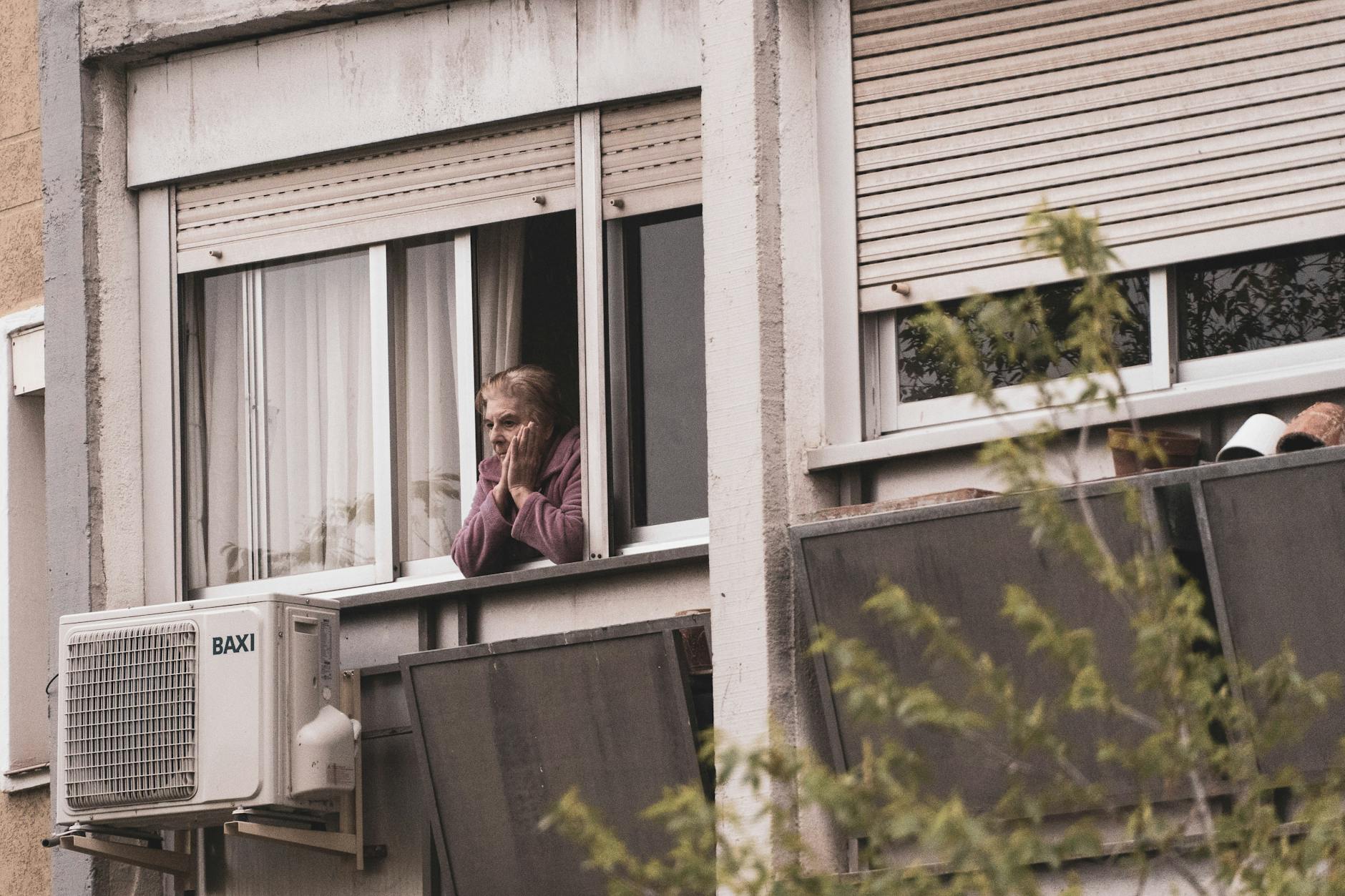
Meet the fastest-growing consumer demographic you probably haven't heard much about: the childless American senior. No kids. No grandkids. A retirement account that never got raided for college tuition, a passport full of stamps, and — if the market research is to be believed — a very pampered cat.
The industry has noticed. And honey, it is ready for them.
The Market Moves In Where Family Didn't
Consumer analysts have been tracking a quiet but significant shift in how companies are positioning products and services toward Americans in their late 50s and 60s who have no adult children in the picture. Solo luxury travel packages marketed specifically to older singles. Boutique retirement communities in the Sun Belt — think Scottsdale, Sarasota, and the outskirts of Austin — built around the concept of "chosen family," complete with communal dining, group therapy, and organized social calendars that would exhaust a cruise director.
Then there's the pet economy, which has gone absolutely feral (no pun intended). Premium cat care subscriptions, feline wellness plans, in-home pet hospice services, and grief counseling for cat owners — yes, actual grief counseling — are all growth categories. The American Pet Products Association has reported pet industry spending consistently north of $100 billion annually, and a disproportionate slice of that comes from older, childless consumers who, sociologists will tell you with careful academic neutrality, have transferred significant emotional investment onto their animals.
In other words: the cats are eating well. Whether their owners are, emotionally speaking, is a more complicated question.
What the Data Actually Says About Loneliness
Here is where we set down the snark for just a moment, because the numbers underneath this consumer boom are genuinely sobering.
The U.S. Surgeon General issued an advisory a couple of years back declaring loneliness a public health epidemic. Researchers have compared the health impact of chronic social isolation to smoking 15 cigarettes a day. Senior loneliness in particular is linked to accelerated cognitive decline, increased emergency room visits, and significantly higher mortality rates. Healthcare systems in states with aging populations are already straining under the weight of it.
Sociologists studying this wave point back — sometimes gingerly, sometimes not — to the cultural pivot points of the 1980s and 1990s. A generation of women was told, loudly and repeatedly, that career was liberation and motherhood was a trap. That children would derail ambition. That the truly enlightened woman would build her identity around professional achievement and personal autonomy, and that any wistfulness she felt later was just internalized patriarchy talking.
Some of those women are now 60, 65, 70. They are, by many measures, accomplished. They are also, by a growing body of research, lonely in ways that a Windstar cruise through the Greek islands — however lovely — does not fully address.
Chosen Family Is Real, But It's Also Fragile
To be fair to the "chosen family" model — and we should be fair, because it does work for some people — genuine community is genuine community, regardless of how it's assembled. Friendship is real. Neighbors can be lifelines. There are childless seniors living rich, connected, meaningful lives, and pretending otherwise would be dishonest.
But there is a structural fragility to chosen family that biological family, for all its messiness and dysfunction, doesn't have in the same way. Friends move. Friends get sick. Friends die, often around the same time you do, because you're all the same age. The retirement community down in Scottsdale with the weekly potlucks and the book club is lovely until half the founding members have moved to memory care facilities and the social coordinator has turned over three times.
Children — and eventually grandchildren — provide something that no subscription service has yet figured out how to replicate: people who are younger than you, who are invested in your continued existence, and who will show up at the hospital at 2 a.m. not because they're paid to but because you matter to them in a way that is written into the fabric of their lives.
The market can sell you a lot of things. It has not yet cracked that one.
The Quiet Conversation Nobody Wants to Have
What makes this consumer trend genuinely interesting — and a little heartbreaking, if you let it be — is what it reveals about the gap between the story a generation was sold and the life that story eventually produced.
Autonomy is valuable. Career is valuable. There is no world in which women should be shamed for ambition or reduced to their reproductive choices. That is not the argument here, and it never has been on these pages.
The argument is simpler and perhaps more uncomfortable: that the framing was incomplete. That "you can have it all" often quietly meant "you can have career and freedom and skip the hard relational work of building a family" — and that the full invoice for that particular choice sometimes doesn't arrive until you're staring down your 60s with a beautiful apartment, a well-traveled passport, two cats named after literary figures, and a nagging awareness that the silence in the evenings has gotten very loud.
The market stepping in to sell community back to people who opted out of the traditional structures that produce it organically is not a solution. It's a service industry. There's a difference.
So What Do We Do With This?
If you're in your 30s reading this, the answer is not panic. It's not guilt. It's not a sudden decision to have children for strategic loneliness-prevention purposes, which would be a terrible reason and unfair to everyone involved.
The answer is honesty. Genuine, eyes-open honesty about the tradeoffs. About what "freedom from" sometimes costs in terms of "freedom to." About the fact that the choices made at 30 have a way of finding you at 60 — not as punishment, but simply as consequence, the way all choices do.
And if you're already 60, already staring at the cat, already wondering — well. The community retirement village isn't nothing. The solo cruise isn't nothing. Connection, however it's built, has value.
But maybe call someone today who isn't your veterinarian.
Donna Mae Whitfield writes for A Dozen Cats or Grandkids, where we talk about the choices nobody warned you about.