The Corner Office Was Supposed to Be Enough: The Loneliness No One Warned the 'Having It All' Generation About
The Corner Office Was Supposed to Be Enough: The Loneliness No One Warned the 'Having It All' Generation About
Let me paint you a picture.
It's a Wednesday evening in a tastefully renovated brownstone. There's a bottle of Sancerre breathing on the counter, a Peloton that cost more than most people's first cars, and a wall of framed achievements — the MBA, the corporate awards, the photo with the governor at some gala. The woman who lives here is sharp, accomplished, and has more frequent flyer miles than a migratory bird.
She is also, if she's being honest with herself — and the wine is helping with that — profoundly, achingly alone.
This isn't a cautionary tale dressed up as clickbait. It's a conversation that a growing number of women over sixty are quietly, sometimes tearfully, beginning to have. And it's one that the culture which cheered them toward the boardroom and away from the bassinet somehow forgot to finish.
The Data Has Entered the Chat
Researchers studying social wellness have been tracking a troubling pattern: women in their sixties are reporting higher rates of chronic loneliness than nearly any other demographic. Not the fleeting "I wish I had plans tonight" variety, but the deep, structural kind — the kind that comes from realizing your social architecture has no load-bearing walls.
For many of these women, the professional network that felt like a community evaporated the moment the business cards stopped being relevant. Colleagues moved on. The work friendships, it turned out, were largely transactional. And the family network — the grandchildren underfoot, the holiday tables crowded with noise and casserole dishes and somebody's husband who tells the same story every year — simply never materialized.
Because the plan was always the career first. Family was the thing you'd "figure out later." Except later has a funny habit of arriving before you've sorted out the details.
What the Feminist Handbook Left Out
Now, before anyone comes for me with a pitchfork — I am not here to tell women they should have stayed home and made pot roast. Feminism gave women choices, and choices are sacred. But here's the thing about choices that the empowerment posters at the women's conference didn't mention: they have consequences. Not punishments. Consequences. Real, lived, Wednesday-night-with-the-Sancerre consequences.
The generation of women who came of age in the 1980s and 90s were handed a very specific cultural script. The message, delivered through everything from shoulder-pad-era movies to glossy magazine covers, was essentially: children are a detour, ambition is the destination. The women who bought that script wholesale are now in their sixties, and some of them are experiencing what sociologists are gingerly calling an "intergenerational connection deficit."
Which is a very academic way of saying: no grandkids.
Meet the Cats (They're Doing Fine, Actually)
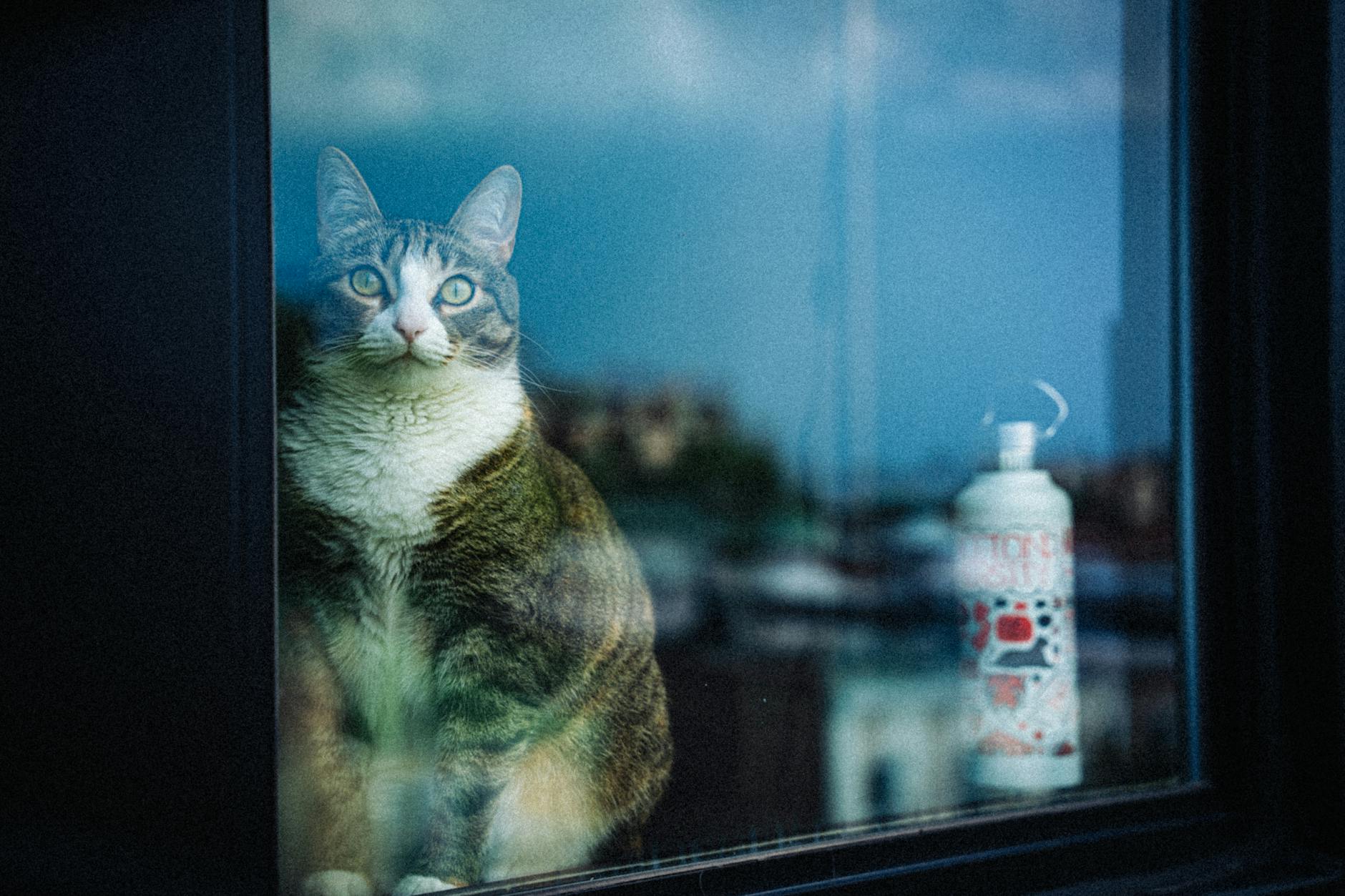
Here at A Dozen Cats or Grandkids, we have enormous affection for feline companions. Cats are wonderful. Cats are warm and occasionally tolerant and they don't ask to borrow money. But even the most ardent cat enthusiast will acknowledge — probably around 2am when the existential dread settles in — that a tabby named Chairman Meow cannot replace the particular joy of a five-year-old running toward you at full speed with sticky hands and zero spatial awareness.
Several women who spoke candidly for this piece described a similar reckoning. One retired marketing executive, now 64, put it with devastating simplicity: "I spent thirty years building a brand. I just never thought about what the brand was for." Another, a former attorney with a closet full of Eileen Fisher and a cat named Litigation, admitted she cried at a neighbor's birthday party — not from sadness, exactly, but from watching three generations of one family argue affectionately over cake.
"I kept thinking, I have a 401k that would make your eyes water," she said, laughing ruefully. "And absolutely no one to leave it to who will actually miss me."
The Reckoning Nobody RSVPs For
What makes this particular loneliness so complex is that it doesn't announce itself cleanly. It arrives gradually, dressed in ordinary moments. It's the realization that retirement — which was supposed to be the reward — has no audience. It's Mother's Day, which used to feel irrelevant and now feels like a small paper cut every single year. It's watching your younger colleagues navigate the chaotic, exhausting, magnificent mess of raising children and feeling, for the first time, a pang that your younger self would have found incomprehensible.
The emotional reckoning these women describe isn't regret in the simple sense. It's more nuanced — a grief for a road not taken, complicated by the genuine pride they feel in what they did accomplish. Both things are true at once, and our culture is very bad at holding two true things simultaneously.
So What Do We Actually Do With This?
First: we stop pretending it isn't happening. The loneliness epidemic among women over sixty is real, it's growing, and it deserves honest conversation rather than either smug "I told you so" finger-wagging or defensive deflection.
Second: we start talking to younger women differently. Not to frighten them, not to shove them toward domesticity, but to give them the complete picture. Career and connection. Ambition and intentional relationship-building. The goal isn't to choose between the corner office and the chaos of family — it's to stop pretending the choice is consequence-free in either direction.
And third — for the women already in that beautifully decorated brownstone, already on the other side of the decision — we extend some grace. The culture sold them something incomplete. They deserve community, connection, and the chance to build something meaningful with the decades they still have ahead of them. Chosen family is real. Mentorship is real. Late-blooming connection is absolutely real.
The cats, as mentioned, are also real. And honestly? Pretty good company.
But they can't tell you they love you back. And somewhere around sixty, that starts to matter more than anyone warned you it would.
Donna Mae Whitfield is the founder of A Dozen Cats or Grandkids, where we discuss the choices women make, the ones they didn't, and everything the empowerment posters forgot to mention. She writes with love, a mild cat allergy, and absolutely no regrets about the grandchildren she is aggressively manifesting via her nieces.