The Ladder-Puller's Lament: How Success Turned Sisterhood Into a Solo Act
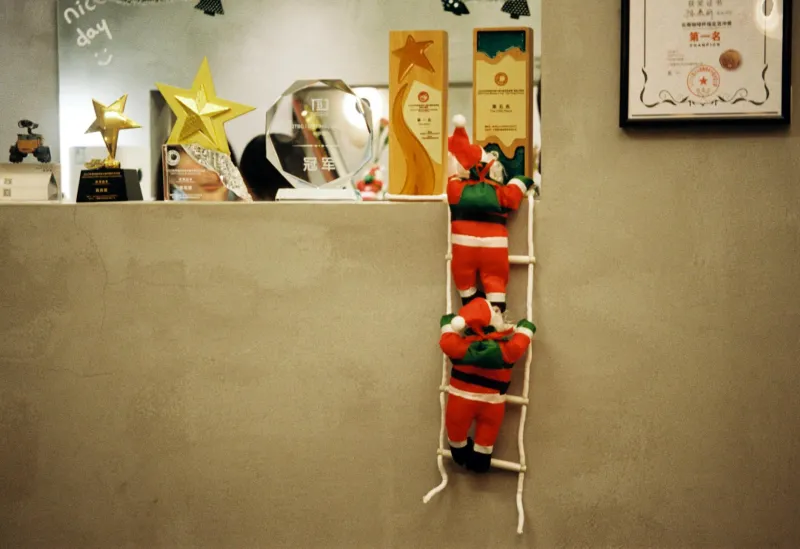
The Irony of Individual Achievement
There's a particular breed of woman who made it to the C-suite in the 1990s and 2000s. She fought harder, worked longer, and elbowed past more obstacles than her male counterparts ever dreamed of facing. She was a pioneer, a glass-ceiling smasher, a woman who proved it could be done.
So why, at 62, is she sitting alone in her corner office wondering why no young women seek her wisdom? Why does her phone stay silent on International Women's Day while other retired executives get flooded with grateful messages from protégés?
The uncomfortable truth is that many of the women who climbed highest pulled the ladder up behind them — not out of malice, but out of the very survival instincts that got them there in the first place.
The Scarcity Mindset That Became a Lifestyle
When you've spent decades believing there's only room for one woman at the top, sharing feels like suicide. These pioneers operated in environments where supporting another woman meant risking your own precarious position. The "only woman in the room" syndrome wasn't just a circumstance — it became an identity.
"I didn't have time to mentor," explains Sarah, a former pharmaceutical executive who retired three years ago. "I was too busy proving I belonged there myself." Now, as she watches younger women navigate challenges she could have helped them avoid, the regret stings more than she expected.
The women who made partner at law firms in the '80s, who became VPs at Fortune 500 companies in the '90s, who built startups in the early 2000s — they were so focused on individual survival that they forgot to build the very networks that might have sustained them later.
The Professional Loneliness Nobody Talks About
Retirement hits different when you realize you've accumulated achievements but not relationships. While their male counterparts often maintained networks through golf courses and old boys' clubs, many successful women find themselves professionally isolated in ways they never anticipated.
The junior associates they barely acknowledged? They're now senior partners who don't return calls. The young women who asked for advice and got brushed off? They're running their own companies and have found other mentors to thank in their success stories.
"I thought my work would speak for itself," admits Jennifer, former head of marketing at a major tech company. "I didn't realize that at the end of your career, it's the people you invested in who remember your name, not the quarterly reports you nailed."
The Personal Side of the Equation
But here's where it gets really uncomfortable: the same instincts that prevented professional mentoring often extended to personal relationships. The drive that made these women exceptional at work — the laser focus, the refusal to be distracted by "lesser" priorities, the ability to compartmentalize — also made them less likely to invest in the messy, time-consuming work of raising the next generation.
Children require mentoring in its most intensive form. They need guidance, patience, and the willingness to share knowledge without expecting immediate returns. For women who spent their careers guarding their expertise like state secrets, the idea of giving freely to small humans who might not appreciate it for decades felt foreign.
The Legacy Question That Haunts
At company retirement parties, the speeches always mention "leaving a lasting impact." But impact through what? Through whom? The women who climbed highest often find themselves asking these questions too late.
Their innovations are already obsolete. Their strategies have been replaced by newer approaches. The industries they helped build have moved on without them. What remains is the uncomfortable realization that they optimized for individual achievement in a world that rewards collective investment.
"I mentored my cats better than I mentored humans," jokes Patricia, though her laugh doesn't quite reach her eyes. "At least Whiskers and Mittens remember who feeds them."
The Thanksgiving Table Test
The ultimate measure of generativity isn't found in LinkedIn recommendations or company awards. It's found around holiday tables, in wedding invitations, in phone calls from people who want to share good news. It's found in the faces of people who became better versions of themselves because someone invested in their growth.
For the ladder-pullers, Thanksgiving often means a table for one — or two, if you count the cat who's learned to appreciate turkey scraps. The women who fought so hard to prove they didn't need anyone's help now face the reality that no one feels they need theirs.
The Price of Playing by Different Rules
The tragedy isn't that these women were selfish or short-sighted. The tragedy is that they were forced to play a game with rules that made generosity feel like weakness. They operated in systems that punished collaboration and rewarded isolation.
But systems change. The women climbing ladders today benefit from networks, mentorship programs, and cultural shifts that their predecessors helped create — often without realizing they were building bridges they'd never get to cross themselves.
What the Cats Can't Provide
Professional loneliness has a different flavor than personal loneliness, but it's equally bitter. No amount of career achievement can substitute for the satisfaction of knowing you helped someone else succeed. No retirement package can fill the void left by relationships that were never built.
The cats provide companionship, but they can't carry forward your institutional knowledge. They can't implement the strategies you developed or build upon the foundations you laid. They certainly can't call you on Mother's Day to thank you for believing in them when no one else would.
At 60-something, surrounded by the trophies of individual achievement and the quiet judgment of feline companions, these women are learning that the ladder you climb matters less than who you help climb it with you. It's a lesson that arrives fashionably late to a party that's already winding down.