The Formula That Forgot Half the Population
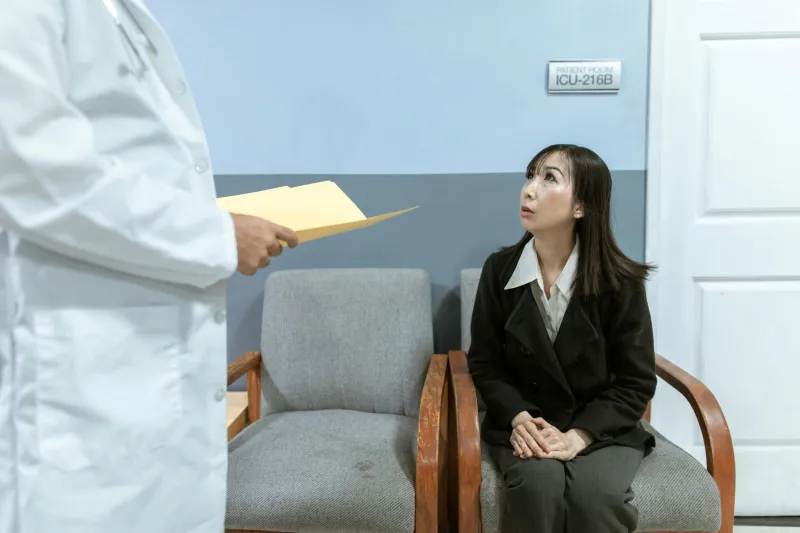
Dr. Margaret Chen pioneered minimally invasive cardiac surgery techniques that saved thousands of lives. She trained three generations of surgeons, published groundbreaking research, and served on medical boards that shaped healthcare policy for decades. When she died at seventy-eight, her obituary in the local paper was four sentences long and spent more words describing her cats than her medical career.
"Dr. Chen is survived by her beloved cats, Muffin and Snowball," read the final line, as if two decades of surgical innovation could be summarized by pet ownership.
Welcome to the peculiar world of American obituary writing, where the entire narrative structure assumes your worth can be measured by who you married and what children you produced. Everything else — no matter how extraordinary — becomes footnote material.
The Invisible Architecture of Legacy
Here's how obituaries actually work: they're not really about the dead person's accomplishments. They're about the living person's relationships. The formula is so embedded in our cultural DNA that most people don't even notice it: survived by spouse, children, grandchildren, siblings. Preceded in death by parents, spouse, siblings. Services will be held where the family gathered.
The entire document is structured around biological and legal connections, with professional achievements sprinkled in like seasoning. Even when a woman has spent fifty years building something remarkable, the obituary focuses on who she left behind rather than what she created.
For women who chose different paths, this creates a strange kind of posthumous erasure. A lifetime of work that mattered to thousands of people gets compressed into "she had a distinguished career in medicine" while three paragraphs are devoted to describing her devotion to family members who may or may not have shared her interests or understood her work.
When Your Life's Work Becomes a Sidebar
I started paying attention to this pattern after reading about Dr. Chen, and once you see it, you can't unsee it. Pick up any newspaper's obituary section and notice how the space is allocated. The formula is remarkably consistent:
Paragraph one: Name, age, death circumstances, immediate family. Paragraph two: Marriage and children details, often with dates and locations. Paragraph three: Career summary (usually brief). Paragraph four: Hobbies, volunteer work, personality traits. Paragraph five: Detailed survivor list with full names and locations. Paragraph six: Service information and donation requests.
For women with traditional family structures, this works fine. Their professional accomplishments get mentioned alongside their roles as wives, mothers, and grandmothers. The obituary tells a complete story of a life lived in multiple dimensions.
For women without traditional family structures, the formula breaks down. When there's no spouse or children to anchor the narrative, the obituary writer seems genuinely confused about how to structure the story. What should be the main plot line? How do you measure a life when the traditional markers aren't there?
The Proxy Family Problem
This is where the cats come in. Not just cats — dogs, birds, nieces and nephews, longtime friends, even houseplants make appearances in obituaries for childless women. They become proxy family members, filling the narrative slots that children and grandchildren usually occupy.
"She is survived by her faithful companion, a rescue dog named Bailey, and her extensive collection of African violets."
"She leaves behind her beloved nieces and nephews, who will remember her as the fun aunt who always had the best Christmas presents."
"Her cats, Princess and Duchess, were her constant companions in her later years."
There's nothing wrong with acknowledging the relationships that actually mattered to someone, but when these become the primary focus of an obituary for a woman who spent decades in groundbreaking work, something is off.
The Legacy That Dies With You
The real tragedy isn't that obituaries focus on family relationships — it's that for women without traditional families, there's often no one left who understands the full scope of what they accomplished. No one who can tell the story properly.
Children and grandchildren grow up hearing stories about their grandmother's work. They understand, at least in broad strokes, what made her remarkable. They know which accomplishments she was proudest of, which challenges she overcame, which moments defined her career.
When a woman dies without descendants, that institutional knowledge dies with her. The obituary writer is working from a resume and maybe some interviews with colleagues, but they don't have access to the narrative thread that would help them understand which accomplishments mattered most.
Dr. Chen's surgical innovations might have been the thing she was most proud of, or maybe it was the mentorship program she developed for women entering medicine, or maybe it was the pro bono work she did at free clinics. Without family members who heard those stories over Sunday dinners, the obituary writer has to guess.
The Wikipedia Test
Here's a thought experiment: imagine your life is important enough to warrant a Wikipedia page. What would you want that page to emphasize? Your professional accomplishments? Your creative work? The people you helped or inspired? The problems you solved or the barriers you broke?
Now imagine your obituary is written by someone who's never met you, working from a basic biographical outline and a few quotes from colleagues. How much of what matters to you would survive that translation?
For women with traditional families, there are built-in advocates for their full story. Children who insist on mentioning Mom's volunteer work with literacy programs. Grandchildren who remember her passion for environmental justice. Spouses who understand which professional accomplishments meant the most to her.
For women without those advocates, the obituary becomes a strange game of telephone where a complex, accomplished life gets reduced to whatever seems most obvious to an outside observer.
The Industry That Noticed
Funeral homes and obituary writers are starting to recognize this gap, mostly because they're seeing more clients who don't fit the traditional family template. Some have started offering "life story consultations" where they interview friends and colleagues to build a more complete picture of who someone was beyond their biological relationships.
There are also companies now that specialize in "legacy documentation" — essentially, professional obituary writing for people who want to ensure their story gets told properly. It's a growing industry, serving exactly the demographic of successful, childless women who've realized that no one else will be able to tell their story when they're gone.
It's a practical solution to a real problem, but it's also a little heartbreaking that we've reached the point where people need to hire professionals to ensure their lives are remembered accurately.
The Stories We Tell About Worth
Obituary conventions matter because they reflect how we measure human value. When the entire narrative structure assumes that a life's meaning comes from biological reproduction and family relationships, we're sending a message about what counts and what doesn't.
Dr. Chen's surgical techniques are still being used in operating rooms across the country. The surgeons she trained are training others. The research she published continues to influence medical practice. But none of that made it into her obituary, which focused instead on her cats and her volunteer work at the animal shelter.
There's nothing wrong with loving animals or volunteering at shelters. But when that becomes the defining characteristic of a pioneering surgeon's life story, we've lost something important about how we understand achievement, contribution, and legacy.
The cats, I'm sure, appreciated the recognition. But Dr. Chen deserved better.