Tuesday at Two: The Literary Society That Only Accepts Family Trees

The Invitation That Never Came
Every Tuesday at 2 PM, in living rooms across suburban America, the real power structure of middle-class society reveals itself. It's not happening in boardrooms or country clubs—it's happening around coffee tables loaded with store-bought cookies and well-worn paperbacks. The book club, that seemingly innocent gathering of literature enthusiasts, has quietly transformed into the most exclusive social institution you never realized existed.
And the membership requirements? They have nothing to do with your ability to analyze character development or discuss themes of redemption in contemporary fiction.
The Unspoken Prerequisite
Walk into any established book club in Westchester County, suburban Phoenix, or the nice part of Charlotte, and you'll notice something peculiar about the conversation flow. Sure, they'll spend the first fifteen minutes discussing whether the protagonist's choices were believable. But by minute sixteen, the real bonding begins: comparing notes on which elementary schools have the best reading programs, debating the merits of various pediatric dentists, and sharing war stories from the carpool line.
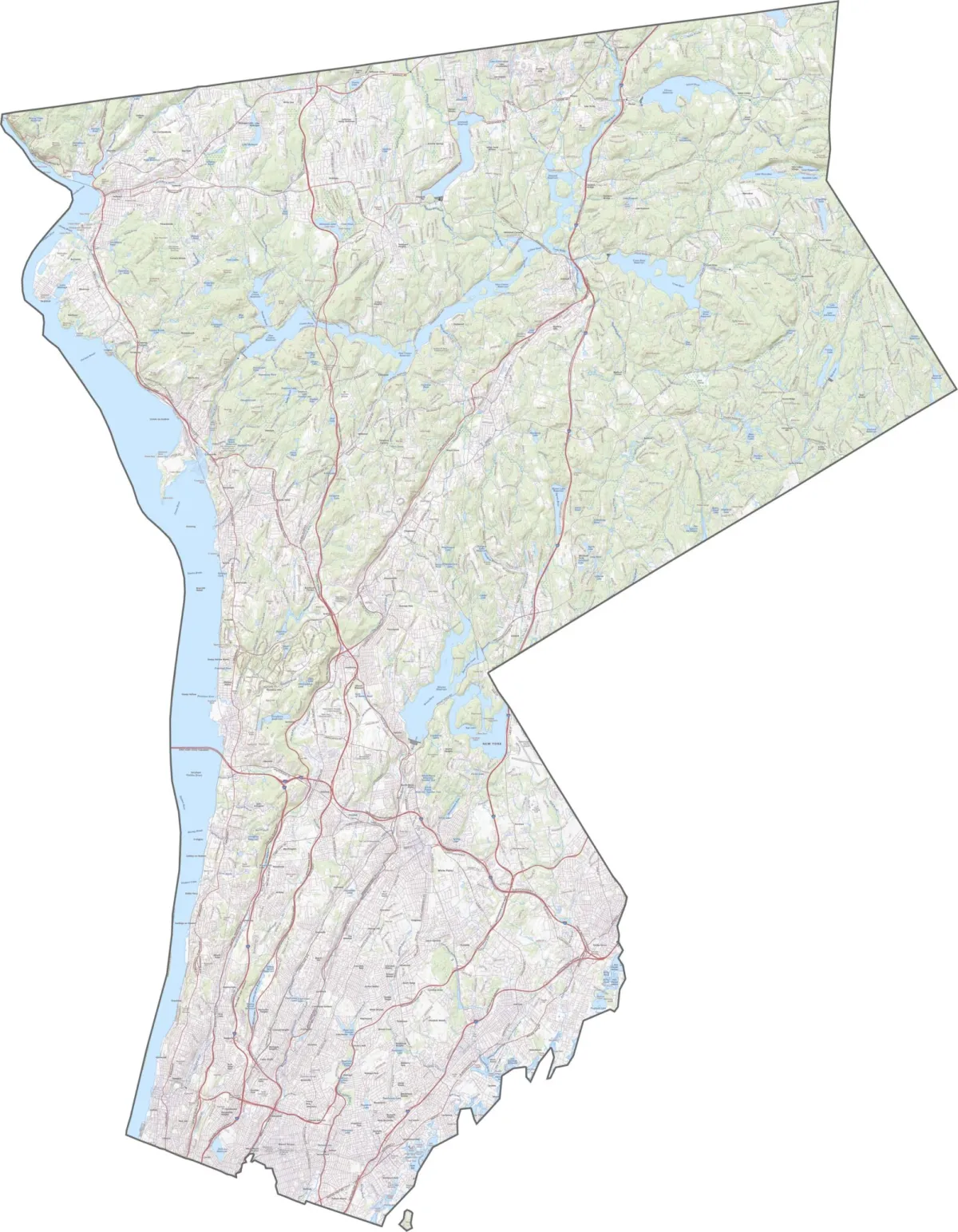 Photo: Westchester County, via uscountymaps.com
The book becomes a launching pad for the conversations that actually matter—the ones that build lasting friendships and create the social scaffolding that will support these women through their sixties, seventies, and beyond.
"We picked 'Where the Crawdads Sing' because Sarah's daughter is reading it for AP English," explains Margaret, who's been hosting the Maple Grove Literary Society for eight years. "It's nice when we can connect with what the kids are learning."
Notice how seamlessly the justification slides from literary merit to generational relevance. The book selection isn't about expanding intellectual horizons—it's about maintaining connection to a world that revolves around younger people's academic schedules.
The Calendar That Rules Everything
Peer deeper into the logistics of these gatherings, and the architecture becomes clear. Meeting times are determined not by when working women might be available, but by when grandmothers can slip away between school pickup and soccer practice. Summer breaks mean book club hiatus—not because members are traveling, but because their grandchildren are home and require supervision.
"We used to meet in the evenings," recalls Linda from the Riverside Readers, "but that was before everyone started babysitting regularly. Now Tuesday afternoons work better for everyone."
Everyone, of course, meaning everyone whose social calendar revolves around a second generation's needs.
The reading list itself tells the story. Last year's selections for the Willowbrook Book Circle: "The Seven Husbands of Evelyn Hugo" (chosen because Jennifer's granddaughter loved it), "Educated" (recommended by someone's daughter-in-law), and "The Midnight Library" (picked up at the school book fair). The common thread isn't literary quality—it's familial endorsement.
The Language of Belonging
Listen to how these women introduce new potential members, and you'll hear the subtle screening process at work. "This is Carol—her grandson goes to St. Mary's with my Emma." "Meet Patricia—she just moved here to be closer to her daughter and the baby." The introductions aren't about professional accomplishments or shared interests. They're about establishing your position in the generational hierarchy.
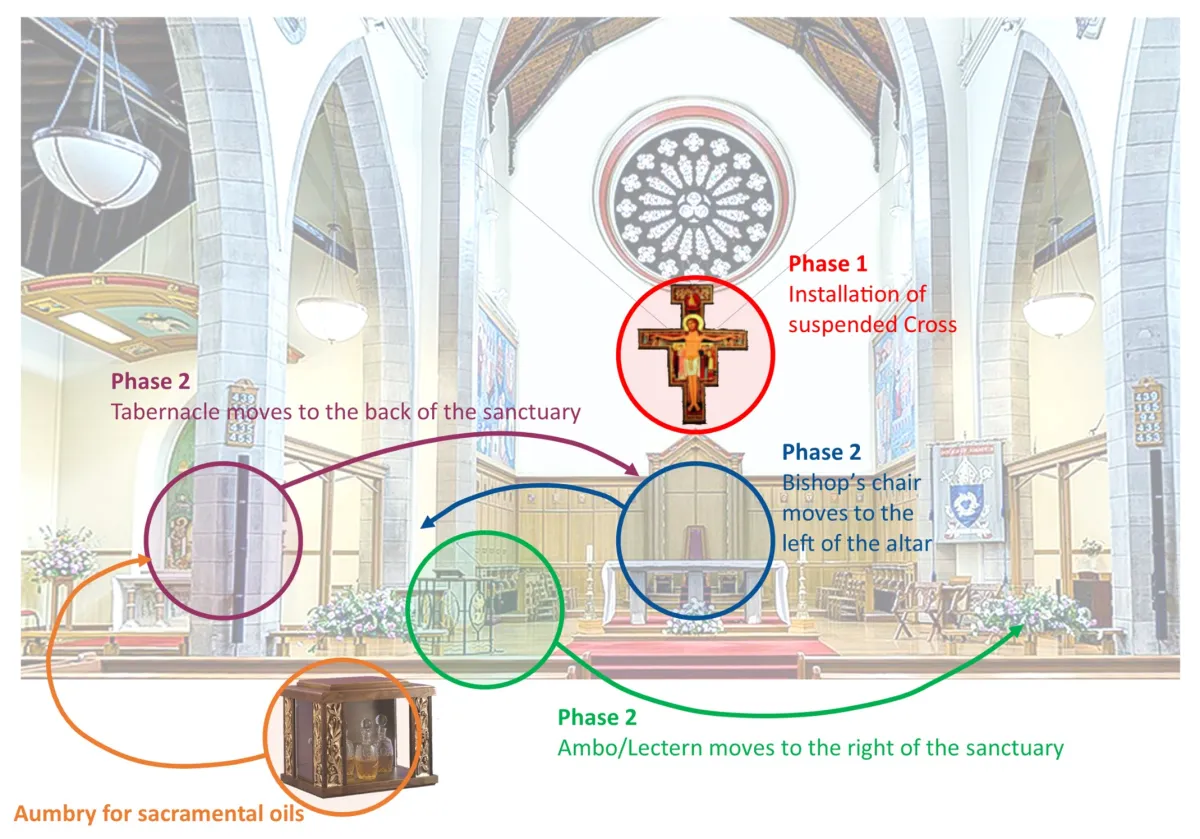 Photo: St. Mary's, via www.stmaryscathedralaberdeen.org
Try introducing yourself as someone who chose career over children, and watch the conversational pivot happen in real time. "Oh, how interesting," followed by an awkward pause, then a quick redirect to someone whose credentials are more easily categorized.
The exclusion isn't intentional or malicious. It's structural. These women have built their social connections around a shared experience you simply don't possess. When the natural conversation flows from book themes to child-rearing philosophies to grandparent strategies, your contributions feel forced and peripheral.
The Retirement Reality Check
What makes this particularly devastating is timing. The book club becomes most socially crucial precisely when career-focused women are looking to build the community connections that will sustain them through retirement. The irony is brutal: the moment you most need social infrastructure is the moment you discover it was built for someone else entirely.
"I tried three different book clubs when I retired," admits Janet, a former marketing executive. "Same pattern every time. They were lovely women, but I felt like I was constantly translating my experiences into their language. Eventually, I just started reading alone again."
The tragedy isn't that these women are unkind—they're often genuinely welcoming. The tragedy is that decades of different life choices have created parallel social universes that rarely intersect meaningfully.
The Alternative That Isn't
Some cities now offer "career women's book clubs" or "professional women's literary societies," but these often struggle with consistency and longevity. Without the natural social glue of shared family experiences, the connections feel more transactional, less sustaining.
The women who populate traditional book clubs aren't just reading together—they're building the social safety net that will catch them when health fails or loneliness strikes. They're creating the relationships that will ensure someone notices if they don't show up, someone cares if they're struggling, someone remembers their birthday.
The Library Card That Opens No Doors
So here you are at 62, with a lifetime of literary appreciation, critical thinking skills that could enhance any discussion, and more free time than you've had since your twenties. You love books, crave intellectual conversation, and desperately need social connection.
But the book club that meets every Tuesday has already filled its roster with women whose grandchildren provide the conversational currency you'll never possess. Your insights into character motivation are welcome, but your life experience doesn't translate into the social bonds that make these gatherings meaningful.
The cats, at least, don't judge your literary preferences. Though they're notably unimpressed by your ability to analyze themes of isolation in contemporary fiction.
Turns out, you don't need a book club to understand irony after all.