Two Waiting Rooms, Two Worlds: Your Medical Monday at 62
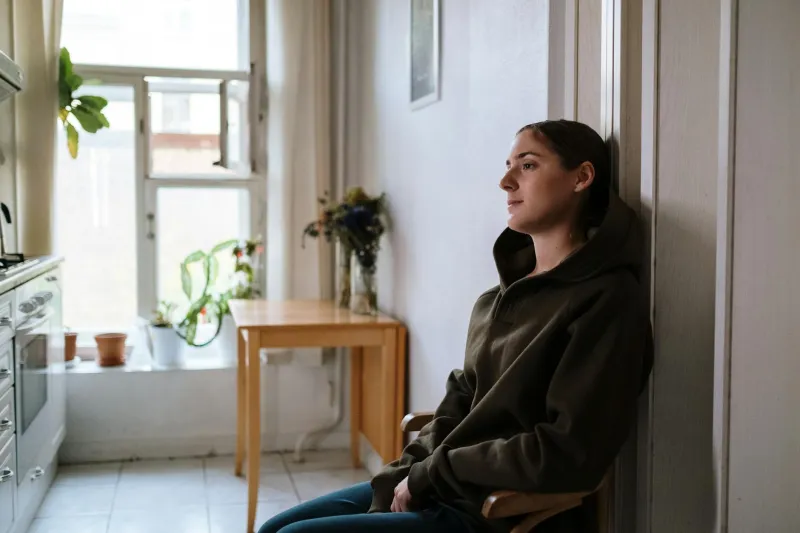
The Tale of Two Mondays
It's 9 AM on a Monday, and somewhere across town, Janet is sitting in Dr. Morrison's pediatric office with her four-year-old grandson, Tommy. She's surrounded by other grandmothers comparing notes about which preschools have the best STEM programs and debating whether little Sophia should start violin or piano lessons. There's an entire ecosystem here—phone numbers being exchanged, playdates being arranged, and a support network so robust it practically runs itself.
 Photo: Dr. Morrison, via auradermatologistpune.com
Meanwhile, I'm in the waiting room of the Animal Medical Center, holding a carrier containing Duchess, my sixteen-year-old tabby who's been losing weight. The brochures here aren't about childhood development milestones—they're about "Quality of Life Assessments" and "End-of-Life Care Options." The other people in this waiting room aren't swapping school district gossip. We're all staring at our phones, pretending we're not calculating whether we can afford the $3,000 treatment plan we're about to hear about.
 Photo: Animal Medical Center, via animalmedicalcenterinc.com
The Infrastructure You Didn't Build
Here's what nobody tells you about the medical industrial complex: it assumes you reproduced. Janet's got backup. When Tommy gets sick, there's a whole network that kicks into gear—mom, dad, other grandparents, aunts, uncles, family friends who've known each other since the PTA meetings of 1987. When Janet herself gets sick, guess who's going to be coordinating her care?
When Duchess needs her insulin shots twice daily, that's my Tuesday through Sunday for the next however-many-months she's got left. When I need my own medical care? Well, let's hope it doesn't conflict with Duchess's appointment schedule, because we're operating as a one-woman show over here.
The Economics of Care
Janet's grandson qualifies for her insurance's family plan. His vaccines are covered. His well-child visits are preventive care—no co-pay. When he needs emergency care, there's a whole system designed to make sure kids get what they need first and figure out payment later.
Duchess's "wellness plan" costs me $89 a month, and that's just for the basics. The oncology consultation I'm waiting for? That's $450 before we even discuss treatment options. And unlike pediatric medicine, veterinary care operates on a cash-up-front model that would make a plastic surgeon blush.
The Conversation Starter Gap
In the pediatric waiting room, conversation flows like wine at a book club. "How's kindergarten going?" leads to "Which teacher did you get?" which leads to "Oh, Mrs. Patterson! My neighbor's daughter had her three years ago." Before you know it, you're part of an information network that spans school districts and includes insider knowledge about everything from the best youth soccer leagues to which high schools have the most generous scholarship programs.
In the vet's office, we're all united by the awkward silence of people who've structured our lives around avoiding exactly the kind of small talk that builds communities. "How old is your cat?" doesn't lead to a robust social network. It leads to a polite nod and a return to scrolling through Instagram posts of other people's grandchildren.
The Emergency Contact Reality
When Janet fills out forms for Tommy's care, there's a whole section for emergency contacts—and she's got options. Mom, dad, the other grandparents, Aunt Sarah who lives twenty minutes away. There's redundancy built into the system.
When I fill out Duchess's paperwork, the emergency contact line is either blank or lists my neighbor who has a key—you know, just in case something happens to me and Duchess needs feeding. It's not exactly the same thing.
The Prognosis Conversation
Here's where the parallel breaks down entirely. When a pediatrician delivers concerning news about a child, there's a whole family system to process it, research options, seek second opinions, and provide emotional support. The conversation happens in a room full of people who love that child and will move heaven and earth to help.
When the veterinary oncologist tells me Duchess has six months, maybe a year with treatment, I'm having that conversation solo. I'm the only one weighing quality of life against cost. I'm the only one who'll be administering medications and watching for side effects. And I'm the only one who'll ultimately make the decision about when enough is enough.
The Waiting Room Wisdom
What strikes me most about these two waiting rooms isn't the obvious stuff—the toys versus the dog treat displays, the children's book corner versus the "Rainbow Bridge" memorial wall. It's the infrastructure. Janet's got a whole village helping her navigate Tommy's healthcare journey. That village didn't appear overnight—it was built through decades of showing up, participating, investing in relationships that seemed purely social at the time.
I've got Duchess, premium pet insurance, and a credit card with a limit high enough to handle whatever treatment plan comes next. What I don't have is the thing that can't be purchased: someone else who loves this little creature enough to help me make these decisions.
The Monday Morning Reckoning
By 11 AM, Janet's back home, having scheduled Tommy's next appointment and exchanged numbers with two new grandmother friends she met in the waiting room. She's got plans for a playdate and insider information about a fantastic pediatric dentist.
I'm back home too, with a diagnosis, a treatment plan, and a prescription that costs more than my monthly grocery budget. Duchess is comfortable for now, and I've got everything I need to manage her care. What I'm realizing, sitting in my quiet apartment, is that "everything I need" and "everything Janet has" are two very different inventories.
The choices we made at thirty don't just find us at sixty—they create the infrastructure that carries us through everything that comes after. Some of us built networks. Some of us built careers. Both have their benefits, but only one of them shows up in the waiting room when the news isn't good.