The Invisible Hand Rocks the Cradle
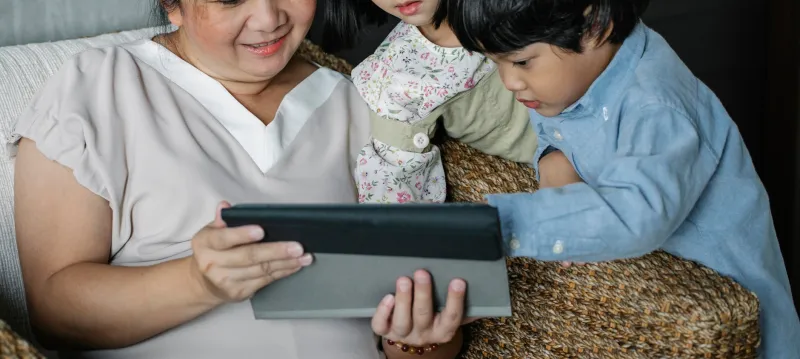
Somewhere in America right now, a grandmother named Linda is orchestrating a military-precision operation that would make the Pentagon weep with envy. She's coordinating soccer pickup schedules across three ZIP codes, managing a rotating dinner invitation system for fourteen family members, and somehow ensuring that nobody's birthday gets forgotten while simultaneously tracking which grandchild has outgrown their winter coat.
She's doing all of this through a spiderweb of group chats, neighborhood networks, and what sociologists are finally starting to recognize as the most sophisticated informal communication system ever constructed: the American Grandmother Network.
And you? You're not in it.
Welcome to the Operating System You Never Learned
Here's what nobody tells you when you're thirty-five and "focusing on your career first": you're not just opting out of diapers and dance recitals. You're opting out of access to a social infrastructure that quietly runs everything.
The grandmother network isn't just about babysitting favors and casserole recipes. It's about information flow, social capital, and community integration. When Mrs. Henderson from down the street mentions that the Johnsons are going through a rough patch, that intelligence doesn't travel through Facebook or neighborhood apps. It travels through the grandmother grapevine, reaching the right people who know exactly how to help without making it weird.
When there's a water main break on Elm Street, the grandmothers know first. When the good pediatrician is accepting new patients, they've already made the calls. When someone needs a recommendation for literally anything — from a reliable plumber to a trustworthy investment advisor — the grandmother network delivers vetted options faster than Yelp.
 Photo: Elm Street, via static1.srcdn.com
The Architecture of Belonging
The cruel irony is that this exclusion isn't malicious. Nobody sat around a kitchen table plotting to keep the childless women out of the loop. The architecture of exclusion is built into the system itself.
Grandmothers connect through their grandchildren's activities. They meet at school pickup, bond over soccer sidelines, and exchange phone numbers at birthday parties. Their relationships deepen through shared investment in the next generation's success and happiness. What starts as "Can you grab Emma from gymnastics on Tuesday?" evolves into genuine friendship, mutual support, and eventually, a communication network that spans entire communities.
Meanwhile, you're attending work happy hours with people twenty years younger than you, wondering why it feels increasingly difficult to form meaningful connections with your peers.
The Sunday Dinner Intelligence Agency
The crown jewel of the grandmother network is the Sunday dinner — a weekly intelligence briefing disguised as a family meal. Here's where the real coordination happens. Who needs what, who's struggling with what, who has resources to share. The logistics of modern family life get sorted out over pot roast and mashed potatoes.
At sixty-two, when you're debating whether to make reservations for one at that new bistro downtown, Linda is hosting her fourteenth consecutive Sunday dinner for a rotating cast of children, grandchildren, and honorary family members. She knows who's applying to colleges, who's looking for work, who just got engaged, and who might need a little extra support this month.
Your cats, while excellent conversationalists, don't provide quite the same level of community intelligence.
The Emergency Response Network You Never Built
When grandmother networks activate in crisis mode, they're more efficient than FEMA. A sick child triggers a cascade of backup childcare options. A job loss mobilizes a network of professional connections and emotional support. A family emergency brings casseroles, carpools, and whatever else is needed without anyone having to ask twice.
This is the social safety net that gets built organically when multiple generations are invested in each other's wellbeing. It's not just about having people who care — it's about having people who care and have the time, motivation, and social connections to actually help.
At sixty, when your biggest emergency is Mr. Whiskers getting into the catnip again, this difference becomes starkly apparent.
The Price of Independence
None of this is to suggest that childless women are doomed to social isolation. Plenty of women build rich, meaningful communities through friends, chosen family, professional networks, and shared interests. But these relationships require intentional cultivation in a way that grandmother networks don't.
When your social connections aren't reinforced by biological obligations and shared investment in the next generation, you have to work harder to maintain them. You have to be more deliberate about staying in touch, more proactive about offering support, more creative about finding common ground.
It's not impossible, but it's not automatic either.
The Reckoning at Sixty
The women who chose corner offices over car seats aren't necessarily unhappy with their choices. Many live rich, fulfilling lives surrounded by friends, colleagues, and yes, beloved pets who provide genuine companionship and joy.
But there's a particular type of loneliness that comes with being architecturally excluded from the operating system everyone else seems to be running on. It's the loneliness of watching a complex social machine function smoothly all around you while you're standing on the outside, not quite sure how to get in.
It's the loneliness of realizing that while you were building an impressive individual life, everyone else was building interconnected lives that create their own momentum, their own support systems, their own reasons to gather every Sunday.
Your career achievements are real. Your independence is valuable. Your choices were yours to make.
But at sixty, when you're watching the grandmother network operate with the efficiency of a Swiss watch, you might find yourself wondering: what would it have been like to be part of the machine instead of admiring it from the outside?
The cats, as usual, have no opinion on the matter.