When Other People's Bedtime Stories Become Your Weekend Soundtrack
The Airbnb Listing That Backfired
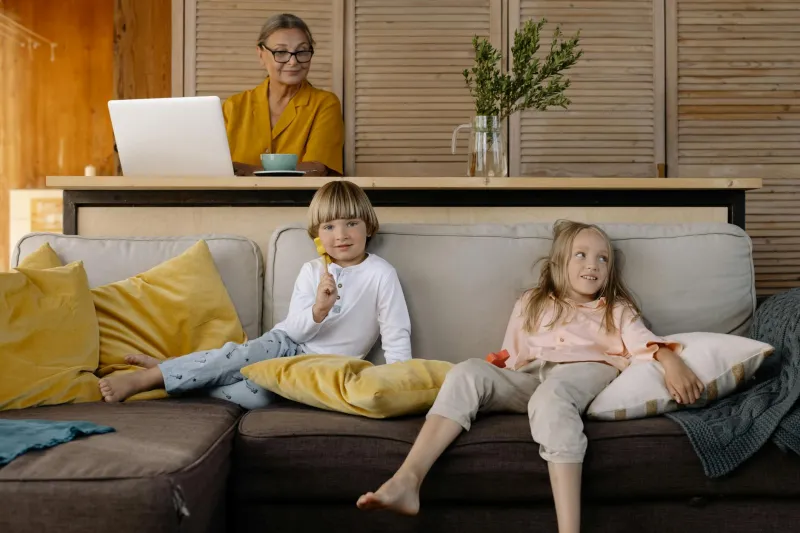
When Margaret first listed her spare bedroom on Airbnb, she had business travelers in mind. Clean, quiet professionals who'd appreciate her carefully curated minimalist aesthetic and respect her need for order. She specifically noted "adult-oriented space" in the listing, thinking that would filter out the chaos she'd spent decades avoiding.
Then the algorithm had other plans.
Now she's standing in her kitchen at 7 PM on a Friday, listening to a three-year-old named Sophia demand "one more story" from the guest room that used to be her home office. The sound of a father's patient voice reading "Goodnight Moon" for the third time is drifting through walls that were supposed to provide sanctuary, not emotional ambush.
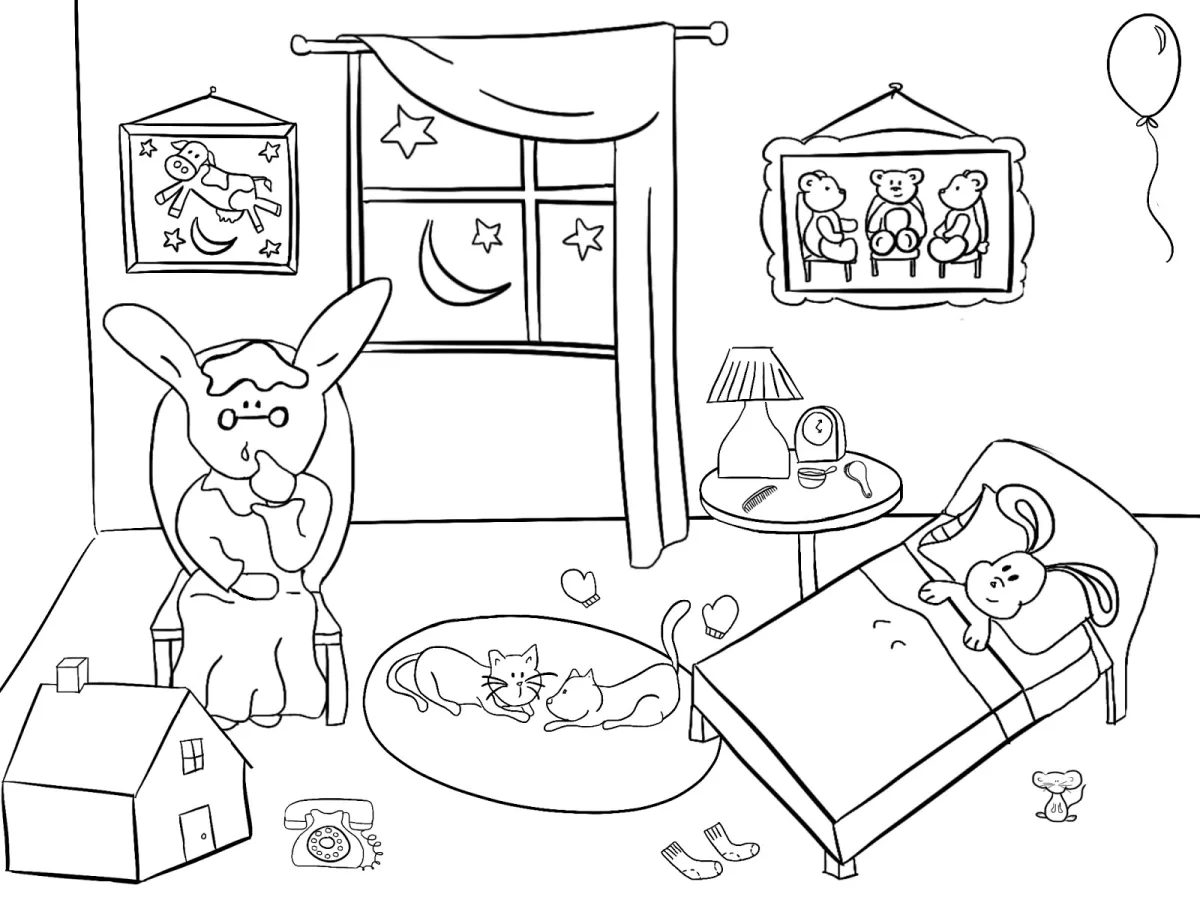 Photo: Goodnight Moon, via 3.bp.blogspot.com
The Sound You Didn't Know You Were Missing
For fifty-eight years, Margaret had successfully avoided the domestic symphony of family life. No morning chaos of lunch-packing and backpack-hunting. No dinner table negotiations over vegetables. No bedtime routines that stretch a fifteen-minute process into an hour-long production.
Her apartment was designed for efficiency and tranquility. Every surface clear, every noise controlled, every moment optimized for the kind of productive solitude that had built her consulting business and funded her early retirement.
So why is she standing here with tears in her eyes, listening to strangers' children discover the magic of "The Very Hungry Caterpillar" in what used to be her sanctuary?
 Photo: The Very Hungry Caterpillar, via multilit.com
The Economics of Emotional Tourism
The irony isn't lost on her. She's literally being paid to experience the family life she spent decades avoiding. The young parents who book her space aren't just renting a room—they're unknowingly providing her with a front-row seat to the domestic routines that her life choices eliminated.
Last month, it was the Johnson family from Portland. Five-year-old twins who turned her living room into a fort-building laboratory while their parents tried to maintain some semblance of order. Margaret found herself lingering in the kitchen, pretending to organize spices she'd already organized, just to catch snippets of the negotiations over screen time and snack choices.
The month before that, it was a single mom with a toddler who insisted on saying "good morning" to every piece of furniture in the apartment. Margaret discovered herself timing her coffee routine to coincide with these cheerful greetings, her heart doing something complicated when little hands waved at her precisely arranged bookshelf.
The Infrastructure She Never Built
What Margaret is learning, one weekend rental at a time, is that family life isn't just about the people—it's about the infrastructure. The way conversations flow around shared meals. The way problems get solved through collective brainstorming ("Where did we put Teddy? Did anyone check under the couch?"). The way even mundane tasks become collaborative adventures when approached with the right mindset.
Her guests don't just bring children—they bring systems. Routines that have been tested and refined through months of trial and error. Backup plans for backup plans. The kind of organizational skills that would impress any project manager, applied to the complex logistics of keeping small humans fed, clean, and reasonably happy.
Margaret watches from her kitchen island as these temporary families navigate her space with an efficiency she recognizes from her corporate days, but applied to challenges she never mastered: negotiating bedtimes, managing meltdowns, and turning ordinary moments into memories worth preserving.
The Silence That Used to Be Golden
When her guests leave on Sunday mornings, the apartment returns to its previous state of curated perfection. Every surface back in its place, every noise eliminated, every trace of chaos erased. It should feel like relief. Instead, it feels like loss.
The silence she once treasured now feels hollow. The efficiency she prized seems cold. The order she maintained feels less like accomplishment and more like evidence of opportunities not taken.
She finds herself checking the booking calendar obsessively, hoping for families rather than business travelers. She's started declining bookings from single adults, telling herself it's about maximizing revenue, but knowing it's really about maximizing the chance that her weekend will include the sounds of life she chose not to create.
The Unexpected Market Research
Through her unwitting participation in the family rental economy, Margaret is conducting the kind of market research no business school teaches. She's learning what family happiness actually looks like when it's not filtered through social media or holiday cards.
It's messier than she expected. More negotiation, more compromise, more patience required for seemingly simple tasks. But it's also more resilient. When the three-year-old has a meltdown over the wrong color cup, the family doesn't fall apart—they adapt. When plans change because someone forgot to pack the special blanket, they improvise. When bedtime becomes a two-hour production, they find ways to make it fun instead of frustrating.
The families who stay in her space aren't perfect. They're just practiced at being imperfect together.
The Transaction That Reveals Everything
What Margaret is really selling isn't just a place to stay—she's selling access to the life she optimized herself out of. Her guests are paying for the privilege of creating memories in her carefully maintained space, while she's paying (emotionally) for the privilege of witnessing what she gave up.
The transaction reveals the strange economics of modern life: she has the space, the financial security, and the time that these young families lack. They have the chaos, the connection, and the continuity that she traded away for professional success.
Every weekend, she's reminded that some things can't be purchased, planned, or optimized into existence. The sound of children discovering the world, the rhythm of family routines, the particular kind of love that shows up in endless bedtime story requests—these exist only in real-time, created by people who chose differently than she did.
The Host Who Became the Guest
By Sunday afternoon, when the last sippy cup has been packed and the final car seat secured, Margaret realizes she's become a guest in her own life. She's watching other people live the experiences she declined, in the space she created for herself.
The families leave with photos and memories and stories they'll tell for years. Margaret is left with a clean apartment, a modest rental fee, and the growing understanding that some forms of wealth can't be accumulated—they can only be lived.
She's built a life that allows her to host other people's happiness for weekends at a time. What she's learning, one family rental at a time, is that being a temporary host to someone else's joy is both a privilege and a reminder of everything she chose not to build for herself.
The cats don't seem to mind the temporary disruption. They adapt to the children's attention, then return to their routines when quiet is restored. But Margaret is finding that she minds the return to silence more than she expected. She minds it enough to keep booking families, keep listening to bedtime stories through her walls, keep paying the emotional cost of witnessing the life she traded for the one she's living.
Some weekends, that cost feels worth it. Other weekends, it feels like the most expensive transaction she's ever made.