The Emergency Contact Reckoning
Nothing quite prepares you for the moment when a hospital intake nurse asks, "Who should we call if something happens during your procedure?" and you realize your most reliable answer is your accountant.
Meet Patricia Williams, 63, former VP of Operations at a Fortune 500 company, current owner of seven rescue cats, and recent recipient of what she calls "the wake-up call nobody puts on their vision board." After collapsing during her morning jog, Patricia found herself staring at medical forms that exposed the infrastructure she'd never built.
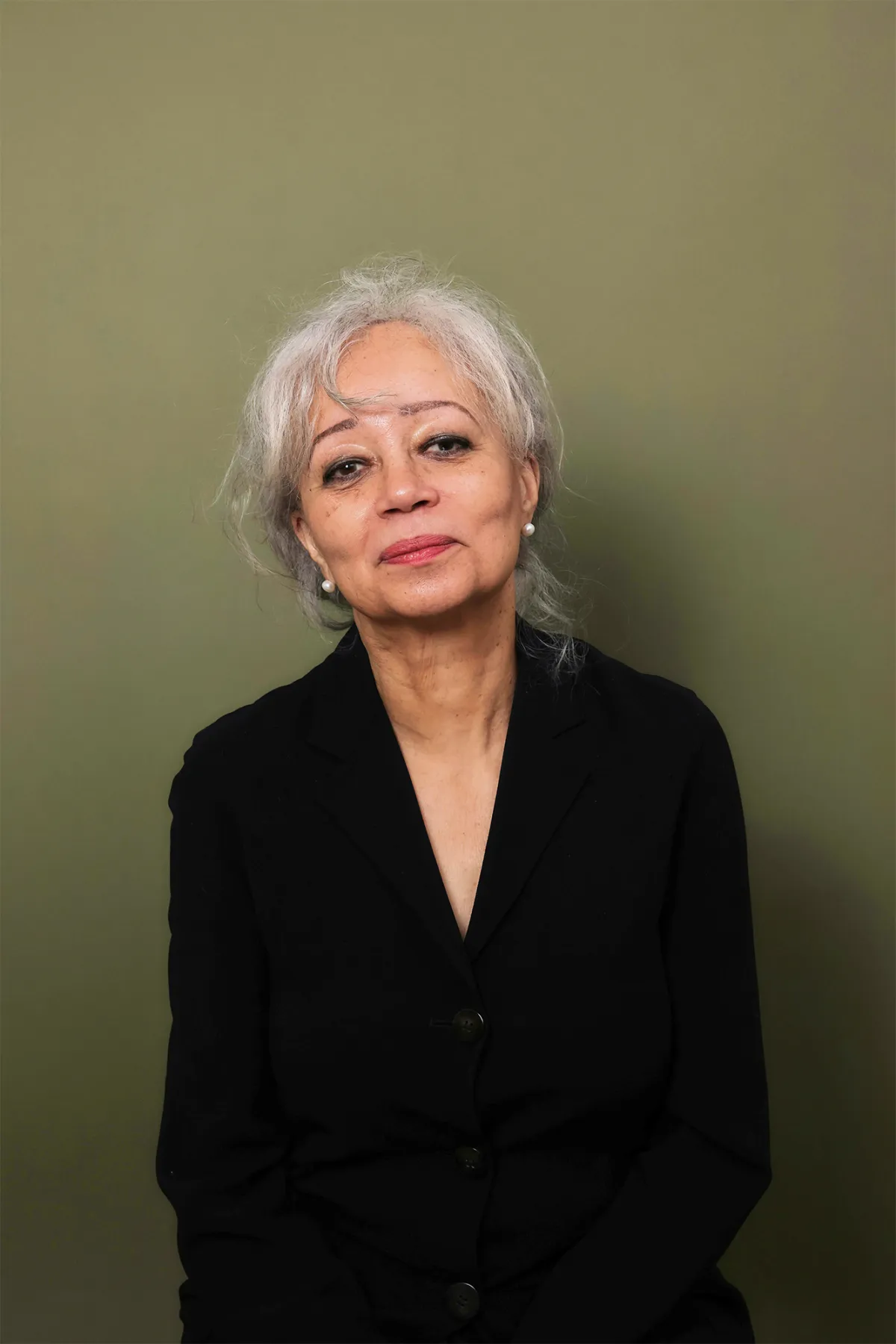 Photo: Patricia Williams, via patriciajwilliams.com
"Emergency contact? I wrote down my neighbor," Patricia laughs, though the humor feels forced. "She's lovely, but I'm not sure she's equipped to make life-or-death decisions about my medical care. Her biggest crisis is usually when Mr. Mittens gets stuck under the couch."
The Org Chart Doesn't Have a 'Soup Brigade' Division
For forty years, Patricia's professional network operated like a well-oiled machine. Assistants managed her calendar, colleagues covered her meetings, and HR handled her benefits. She was the master of delegation, the queen of efficiency, the woman who could solve any problem with the right phone call.
Cancer, it turns out, doesn't respond to quarterly performance reviews.
"I kept thinking I could manage this like a project," Patricia admits. "I made spreadsheets for my treatment schedule, color-coded my medications, even created a PowerPoint presentation for my oncologist. But at 2 AM when you're throwing up from chemo, your strategic planning skills are surprisingly useless."
The professional infrastructure that had supported Patricia's rise to executive success proved remarkably inadequate for the basic human need of having someone bring you ginger ale and hold your hair back. LinkedIn connections don't typically extend to post-surgical care, and her impressive Rolodex contained exactly zero numbers for people willing to drive her to radiation appointments.
The Caregiver Economy You Never Invested In
While Patricia was climbing corporate ladders, her sister Michelle was building something entirely different: a network of reciprocal care that started with playdates and evolved into a sophisticated support system spanning three generations.
 Photo: Michelle, via mediaproxy.snopes.com
"Michelle's phone started ringing the day I got diagnosed," Patricia recalls. "Not because she told people to call — because that's just what happens when you're part of that world. The mom who carpooled with her twenty years ago brought casseroles. The grandmother from her daughter's soccer team organized a meal train. Her daughter-in-law's mother, who she barely knows, offered to pet-sit."
Meanwhile, Patricia's professional network responded with the efficiency of a corporate sympathy card: thoughtful, appropriate, and utterly insufficient for the messy reality of serious illness.
"I got beautiful flowers from my former colleagues," she says. "Gorgeous arrangements that I couldn't take care of because I was too weak from treatment. They wilted while I was in the hospital, which felt like a metaphor I didn't want to examine too closely."
The Insurance Policy You Can't Purchase
The cruel mathematics of illness reveal that all the financial planning in the world can't buy the one thing you actually need: people who show up not because they're paid to, but because they're invested in your continued existence for reasons that have nothing to do with your productivity.
"I could afford the best doctors, the nicest private rooms, home health aides when necessary," Patricia explains. "But money can't buy someone to sit with you during the scary parts, to remember your medication schedule because they love you, or to know exactly how you like your tea when you're finally ready to keep something down."
The women who chose family over career advancement had unknowingly purchased the most comprehensive health insurance available: adult children who felt obligated to care for them, grandchildren who provided motivation to fight, and extended family networks that activated automatically during crisis.
The Visiting Hours Revelation
Hospital visiting hours become a stark accounting of life choices. Patricia watched her roommate, a 61-year-old grandmother, receive a steady stream of visitors: adult children taking shifts, grandchildren bringing homemade cards, daughters-in-law coordinating care schedules, and friends from decades of school functions and family gatherings.
"Her bedside table looked like a family reunion," Patricia remembers. "Photos of grandkids, drawings they'd made, a rotation of fresh flowers from different family members. My table had my laptop, some work magazines, and increasingly wilted arrangements from business associates."
The contrast wasn't lost on Patricia's medical team either. Nurses gravitated toward patients who had families asking questions, advocating for better care, and providing the emotional support that medical professionals couldn't offer. Patricia's care was competent and professional; her roommate's was competent, professional, and supplemented by a village of people who considered her recovery a personal mission.
The Recovery Network You Never Built
The real reckoning came during recovery, when Patricia realized that getting better required more than medical expertise — it required a reason to get better that extended beyond personal satisfaction.
"My cats needed me, which was something," she says with characteristic dry humor. "But watching my roommate FaceTime with her grandchildren every day, seeing how they motivated her to do her physical therapy, how they gave her something to plan for beyond just not dying — that was when I understood what I'd missed."
Her sister's recovery from a similar diagnosis two years earlier had been powered by Christmas morning obligations, graduation ceremonies to attend, and grandchildren who needed their grandmother to teach them family recipes. Patricia's recovery was powered by... determination and excellent health insurance.
The Medication Management Reality
The practical aspects of serious illness exposed gaps that no amount of professional competence could fill. Medication schedules, appointment coordination, insurance navigation — tasks that seemed manageable in theory became overwhelming when complicated by treatment side effects and the simple human need for emotional support.
"I hired a care coordinator," Patricia explains. "Wonderful woman, very professional. But she left at 6 PM, and cancer doesn't keep business hours. The nights were long, and my cats, bless them, are not great conversationalists about mortality fears."
The Prognosis Nobody Discusses
Patricia's cancer treatment was successful, but the experience left her with a different kind of diagnosis: a clear-eyed understanding of what independence actually costs when your body stops being dependable.
"I survived cancer," she reflects, "but I'm not sure I survived the realization of how alone I actually am. Not lonely — alone. There's a difference. Lonely is emotional; alone is structural. And at 63, after a serious illness, I finally understand that I built a life with no redundancy systems."
The women who chose career success over family building had optimized for the wrong variables. They'd prepared for financial independence, professional fulfillment, and personal achievement. They hadn't prepared for the basic human vulnerability that eventually comes for everyone — the need for care that can't be purchased, delegation that can't be managed, and love that shows up not because it's efficient, but because it has nowhere else to go.
As Patricia puts it, "I mastered every aspect of business continuity planning except the part where the business is your life, and you're the single point of failure."