The Hallmark Holiday That Hallmarks Your Life Choices: How Mother's Day Became America's Annual Audit

The Brunch Reservation Algorithm
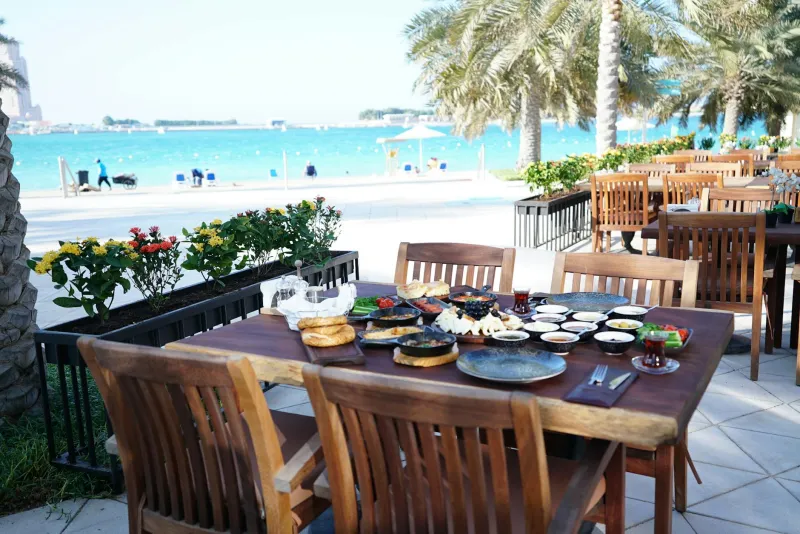
Try booking a table for one at any decent restaurant on Mother's Day. Go ahead, call right now. Notice how the hostess's voice changes when you say "just me" instead of "party of four with Grandma"?
 Photo: Mother's Day, via calendrier.eu.com
That pause isn't confusion. It's the sound of a service industry that literally cannot compute your request. Their reservation system, like the holiday itself, operates on assumptions about American womanhood that roughly 20% of women over 45 quietly fail to meet.
Welcome to the most expensive Sunday of the year — a holiday that functions less like a celebration and more like an annual invoice for decisions you made in your thirties.
The $35 Billion Question
Mother's Day generates more revenue than the Super Bowl, Valentine's Day, and Father's Day combined. Americans spend $35 billion annually on flowers, brunches, jewelry, and greeting cards designed to honor maternal sacrifice and celebrate family bonds.
 Photo: Super Bowl, via www.lascimmiapensa.com
But here's what the National Retail Federation doesn't track in their cheerful spending projections: What happens to the women who aren't mothers and no longer have mothers to honor? Where exactly do they fit in this $35 billion economy of appreciation?
The answer is simple: They don't.
The Hallmark Calculation Error
Walk through any drugstore in early May and witness American capitalism's most telling oversight. Aisle after aisle of cards celebrating mothers, grandmothers, stepmothers, mothers-to-be, and women who are "like a mother" to someone.
But search for a card that acknowledges the woman who chose differently, and you'll discover that Hallmark's market research department apparently believes she doesn't exist. Or more accurately, that she doesn't matter enough to justify printing costs.
The closest you'll find is a generic "Thinking of You" card tucked between birthday wishes and get-well-soon messages — the greeting card equivalent of being seated at the kids' table.
The Restaurant Industry's Blind Spot
Mother's Day is the restaurant industry's biggest day of the year. Establishments that normally serve individual diners suddenly transform into family celebration headquarters, complete with special menus, inflated prices, and reservation policies that assume you're bringing your children to honor the woman who raised them.
Call for a table for one and listen to the confusion. "Are you meeting someone there?" "Would you prefer the bar?" "We have a cancellation for 4:30 if that works?"
The subtext is clear: This holiday isn't for you. You're welcome to participate as a supporting character in someone else's celebration, but the main event requires a cast of characters you never assembled.
The Social Media Minefield
Log into any social platform on Mother's Day and prepare for a masterclass in algorithmic exclusion. Your feed will flood with tribute posts, family photos, and gratitude messages that create an inescapable narrative about what makes a life meaningful.
The women posting these updates aren't trying to hurt anyone. They're participating in a cultural ritual that celebrates their most important identity. But the collective effect creates a digital environment where your life choices are notable primarily for their absence.
Try posting about your cats on Mother's Day and watch the engagement metrics tell a story about whose content the algorithm considers worthy of amplification.
The Workplace Awkwardness Olympics
Office culture around Mother's Day creates its own special category of professional discomfort. The Monday morning conversations that assume everyone had family obligations. The flowers delivered to "all the mothers" in the office. The casual questions about how you spent your Sunday that require increasingly creative non-answers.
"Did you have a nice Mother's Day?" becomes a minefield where honesty feels like oversharing and deflection feels like dishonesty. There's no graceful way to say "I spent Sunday avoiding social media and wondering when this holiday became a performance review of my life choices."
The Church Lady Problem
Religious communities have turned Mother's Day into a theological celebration of family values, complete with special services that honor maternal sacrifice as the highest form of Christian womanhood. Pastors deliver sermons about the blessed role of mothers while congregations applaud the women who fulfilled God's plan through childbearing.
Sit in those pews as a childless woman and experience the unique discomfort of having your spiritual worth implicitly measured against your reproductive choices. The flowers distributed to "all the mothers" become a visual reminder of who belongs in the inner circle of faithful womanhood.
The Grief Layer Nobody Mentions
The holiday's cheerful marketing ignores an entire demographic of women navigating a complex emotional landscape that has nothing to do with celebration. Women whose mothers died too young. Women who lost children. Women who desperately wanted children but couldn't have them. Women who made the difficult choice not to have children for reasons no greeting card acknowledges.
For these women, Mother's Day isn't just exclusionary — it's actively painful. The cultural expectation of joy and gratitude becomes a burden when your relationship with motherhood is complicated by loss, infertility, or intentional childlessness.
The Flower Industry's Target Practice
Flower shops report their biggest sales day of the year on Mother's Day, with the average American spending $180 on bouquets and arrangements. But notice who's buying and who's receiving. The transaction flow tells a story about family obligations and social expectations that leaves certain women entirely outside the economic equation.
You could buy yourself flowers, of course. But purchasing your own Mother's Day bouquet feels less like self-care and more like a participation trophy in a game you're not actually playing.
The Brunching Industrial Complex
Mother's Day brunch has evolved into America's most family-centric dining experience. Restaurants design special menus, hire extra staff, and create atmospheric expectations around multi-generational celebrations that assume specific family structures.
The single woman seeking a quiet Sunday meal finds herself navigating a dining environment optimized for large family gatherings, surrounded by conversations about grandchildren and childhood memories that highlight her outsider status.
Even the background music seems carefully curated to celebrate family bonds you don't share.
The Gift Economy Exemption
Mother's Day operates on a gift economy that creates social obligations and relationship maintenance through material expressions of appreciation. Children buy gifts for mothers. Spouses buy gifts on behalf of children. Grandchildren create handmade cards. Adult children coordinate elaborate celebrations.
But what happens when you're not part of this gift exchange network? When you have no mother to honor and no children to receive honors from? You become a spectator in an economy of appreciation that has no role for your participation.
The holiday doesn't just exclude you; it makes your exclusion visible to everyone around you.
The Calendar Tyranny
Mother's Day anchors an entire season of family-focused holidays that create a relentless drumbeat of celebration around life choices you didn't make. It's followed by Father's Day, graduation parties, summer family vacations, back-to-school preparations, and holiday celebrations that assume family structures you don't have.
The calendar becomes a series of reminders about the social infrastructure you chose not to build, turning ordinary Sundays into annual performance reviews of your priorities.
The Cats Don't Send Cards
Your cats will not acknowledge Mother's Day. They will not bring you breakfast in bed or present you with handmade gifts. They will not post tribute photos on social media or coordinate family brunches in your honor.
This might be the most honest response to the holiday: complete indifference to a cultural celebration that was never designed to include you anyway. They'll spend Sunday doing exactly what they do every day — being excellent companions for the independent life you chose to build.
Sometimes the best way to handle a holiday that forgot about you is to take lessons from creatures who never needed it in the first place.