No Casserole Comes for You: The Faith Community Safety Net That Quietly Skipped a Generation
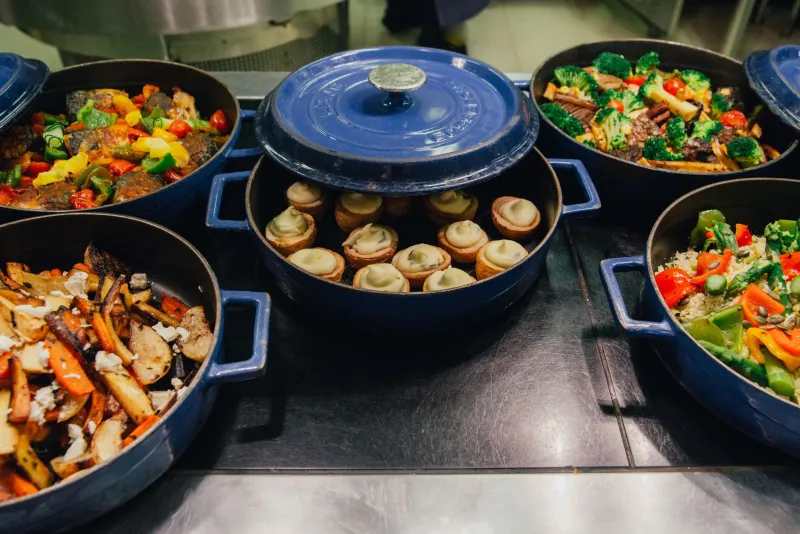
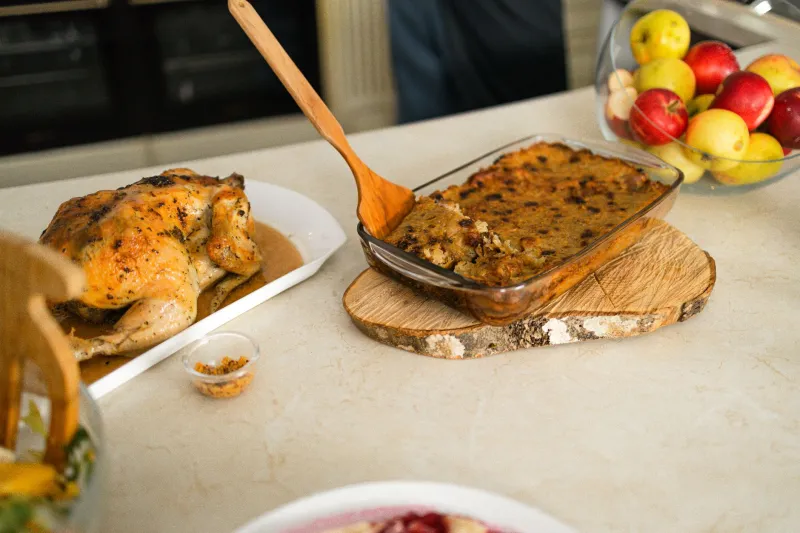
Somewhere in suburban Ohio right now, a woman named Karen — and yes, we're using Karen, because she's earned the name back — is organizing a meal train. Her church's administrative coordinator sent the SignUpGenius link at 9 a.m. By noon, seventeen slots were filled. By Thursday, Margaret from the third pew will have a lasagna, a fruit salad, two loaves of banana bread, and more paper plates than she can use before Easter.
Margaret had a hip replacement. Margaret has four grandchildren and a husband who has been attending First Methodist for thirty-one years. Margaret is, in the language of faith community logistics, fully embedded.
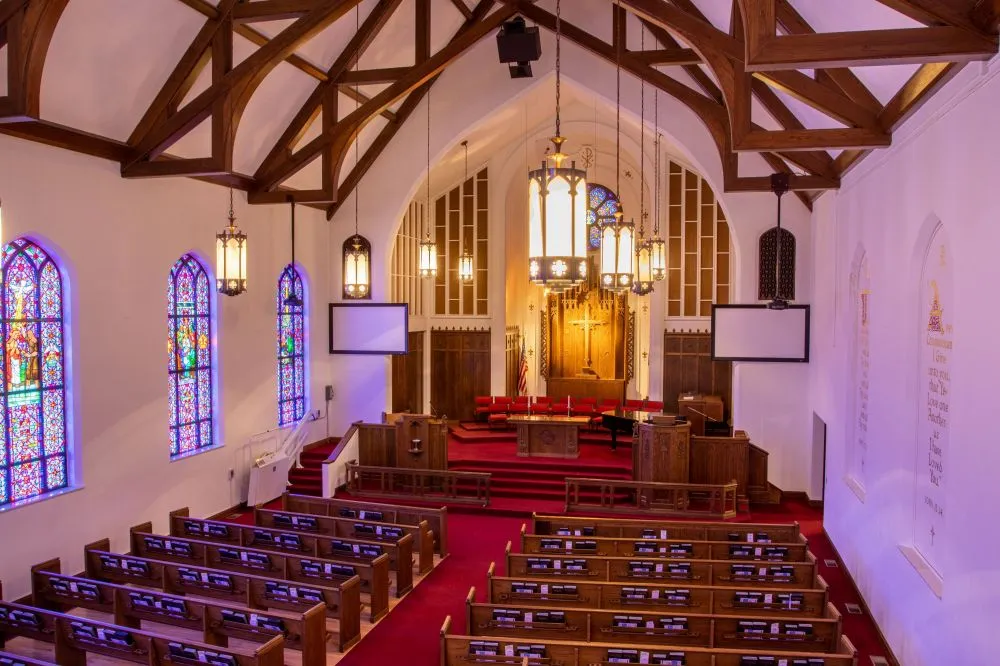 Photo: First Methodist, via dlccuqiitmtsa.cloudfront.net
And then there's you.
You, who spent your thirties and forties building something real and important and career-defining on Sunday mornings while other people were shaking hands in fellowship halls and signing up to bring green bean casserole to someone they barely knew. You, who is now sixty-one, mildly under the weather, and realizing with the slow clarity of a foggy Tuesday that no SignUpGenius link is coming.
This is not a guilt trip. This is a sociology lesson with a side of pot roast that you're not getting.
The Original Mutual Aid Network Wore Church Clothes
Before GoFundMe, before meal delivery apps, before the entire infrastructure of the modern care economy, there was the church casserole circuit. And it worked — still works — with a reliability that would impress any logistics coordinator.
The mechanism is elegantly simple: a community of people who see each other weekly, who know each other's names and family situations and medical histories in the way that only comes from years of proximity, mobilizes around crisis with the efficiency of a very motivated volunteer army. Someone has a baby — meals arrive. Someone loses a spouse — meals arrive. Someone's adult child is going through a divorce — meals arrive, along with the particular gift of people who will sit with you and not say anything useful but will absolutely mean well.
Research on social isolation consistently identifies religious community participation as one of the strongest protective factors against loneliness in older adults. This is not because faith communities are magically warmer than secular ones. It's because they've been practicing the logistics of showing up for people for a very long time, and the infrastructure is genuinely impressive.
The casserole is not the point. The casserole is the delivery mechanism for the actual product, which is the knowledge that someone noticed you were struggling and decided to do something about it.
The Membership Model Nobody Explained
Here's what the brunch crowd missed: faith community mutual aid is not charity. It's a membership model. And like all membership models, it rewards consistent participation.
The women who receive the meal trains, the prayer chains, the emergency childcare networks, and the rides to chemotherapy appointments are overwhelmingly women who spent decades inside those communities — singing in choirs, teaching Sunday school, organizing the rummage sale, showing up for other people's casserole moments before their own arrived.
This is not a coincidence. Community reciprocity is a long game, and it pays out in exactly the currency you need most when you're sixty-three and the hip replacement recovery is harder than the surgeon suggested.
For women who were elsewhere during the deposit years — building careers, traveling, sleeping in, brunching with intention — the withdrawal window doesn't simply open on request. You can join a congregation at sixty. Many do. But the social capital of a thirty-year member is not available on a same-day basis, and the meal train coordinator, bless her heart, has a list.
What the Prayer Chain Actually Runs On
Let's be specific about what faith community networks actually provide, because the casserole is only the most visible element of a much larger system.
In small towns and mid-sized suburbs — the places where this network is most robust — a well-connected faith community can mobilize transportation for medical appointments, emergency home repair through the men's fellowship, financial assistance through discretionary funds most congregations maintain quietly, grief support through organized visitation schedules, and the particular social glue of being known in a way that the modern professional networking event simply cannot replicate.
The prayer chain, specifically, functions as a real-time information and response system. When Margaret's name goes on the prayer list, forty people know her situation by Sunday. Ten of them will act. Three will show up. One will become genuinely indispensable during the recovery week.
You can hire a home health aide. You cannot hire the woman from the third pew who has known you for twenty years and will sit with you at 7 p.m. on a Thursday because she genuinely wants to.
The Grandchildren Amplifier
Now add the grandchildren variable, because the faith community mutual aid network has a multiplier effect that operates specifically through family connections.
When a grandmother's grandchild is sick, the prayer chain activates for the grandchild. When a grandmother's adult child is going through a crisis, the community rallies around the grandmother. The network extends through family connections in ways that compound the support available to any individual member.
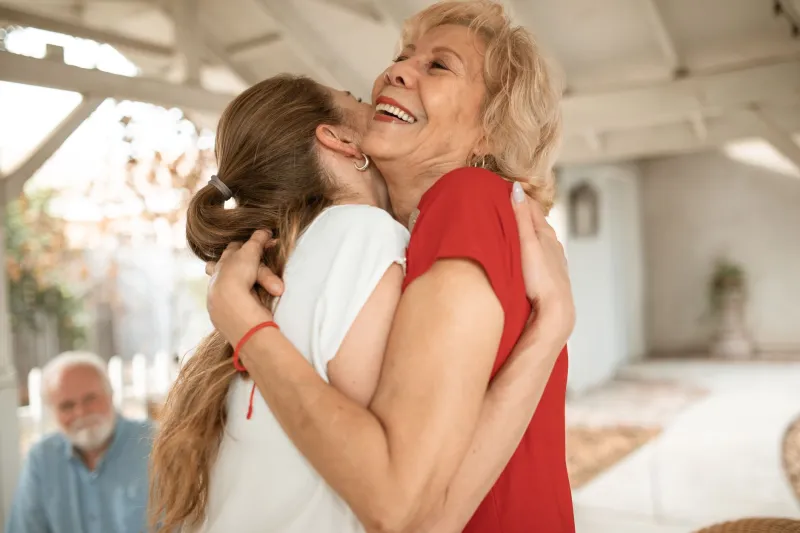
A grandmother embedded in a faith community is connected not just through her own decades of participation but through her children's participation, her grandchildren's baptisms and confirmations and youth group involvement, and her son-in-law's membership on the building committee. The social web is dense and multi-layered.
For the woman who opted out of the reproduction side of this equation and the community participation side simultaneously, the web has a notable gap. Shaped, roughly, like a person.
The Wednesday Realization
The moment tends to arrive not dramatically but quietly. A Wednesday afternoon when you're not quite sick enough to call anyone but not quite well enough to pretend everything is fine. When the apartment is very still and the cats are doing their inscrutable cat things and you think, someone should probably know about this.
And you realize, with the kind of clarity that only comes from genuine stillness, that the someone-should-know infrastructure was assembled over decades by people who made different choices than you did. Not better choices, necessarily. Just choices with different long-term outputs.
The casserole was never really about the casserole. It was about the decades of Sunday mornings that preceded it. The deposits that made the withdrawal possible.
Your cats, to their credit, will absolutely notice if you're unwell. They will sit on your chest with what can only be described as aggressive concern. They will knock things off surfaces at 3 a.m. to ensure you are still responsive.
It's not a lasagna. But it's something. It's really something.