The Sign-Up Sheet Nobody Designed for You: When Civic Duty Requires a Family Tree

The Volunteer Coordinator's First Question
You walk into the Riverside Community Center with the best of intentions and forty years of professional experience. You're finally ready to give back, to channel decades of accumulated wisdom into something meaningful for your community. The volunteer coordinator looks up from her clipboard with a warm smile and asks the question that will define your entire civic experience:
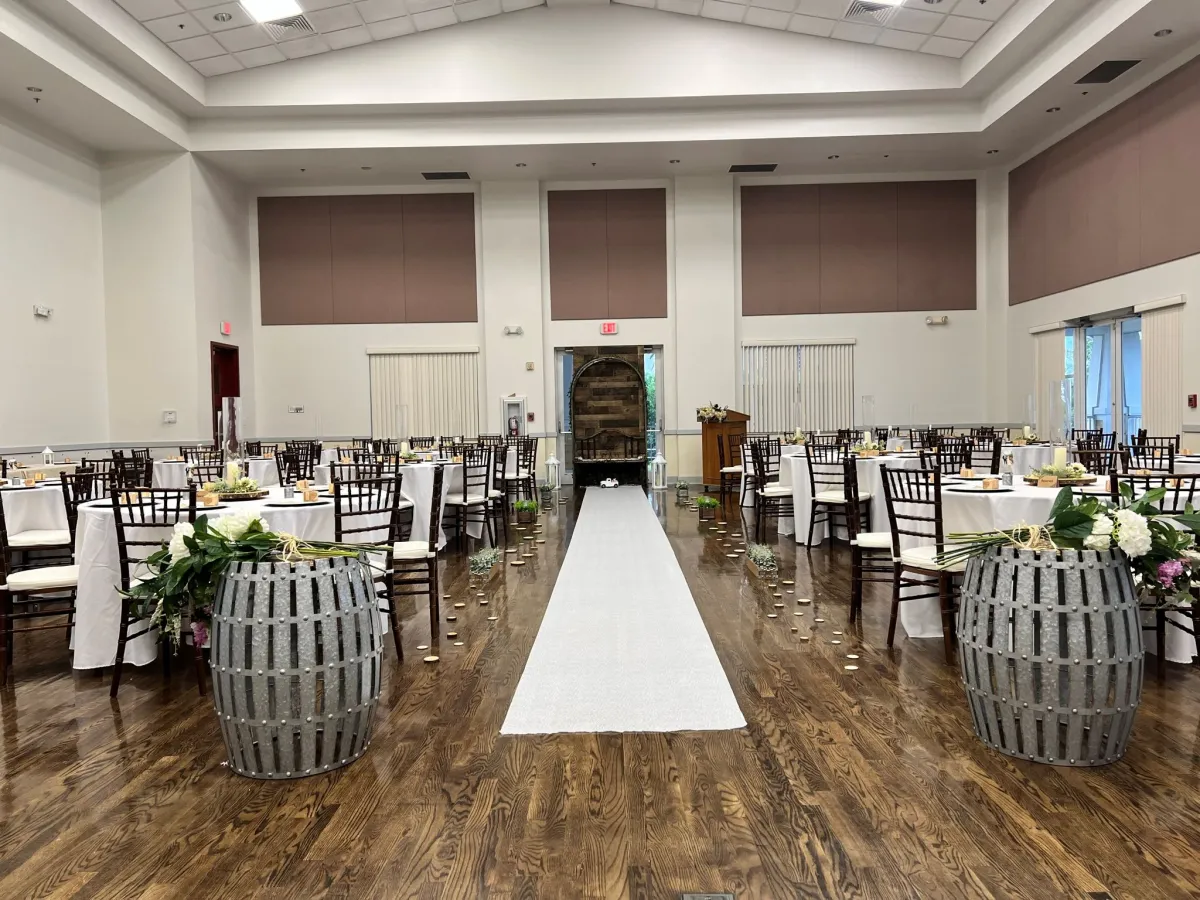 Photo: Riverside Community Center, via www.fortmyers.gov
"How old are your grandchildren?"
Not "What are your skills?" Not "What causes matter to you?" The assumption is baked so deeply into America's volunteer infrastructure that she doesn't even realize she's just asked you to present credentials you'll never possess.
"I don't have children," you explain, watching her expression shift through the familiar sequence: confusion, brief sympathy, then the mental recalibration as she figures out what to do with you.
"Oh! Well, we have lots of opportunities," she recovers, flipping through her binder with slightly less enthusiasm. "Though most of our programs do work around school schedules..."
Welcome to civic engagement in America, where your availability to serve your community is measured against someone else's carpool responsibilities.
The Hospital That Runs on Grandma Time
St. Mary's Medical Center proudly advertises its robust volunteer program. "Retirees welcome!" the website proclaims. "Flexible scheduling!" What they don't mention is that "flexible" means accommodating the intricate dance of grandparent duties that define most volunteers' calendars.
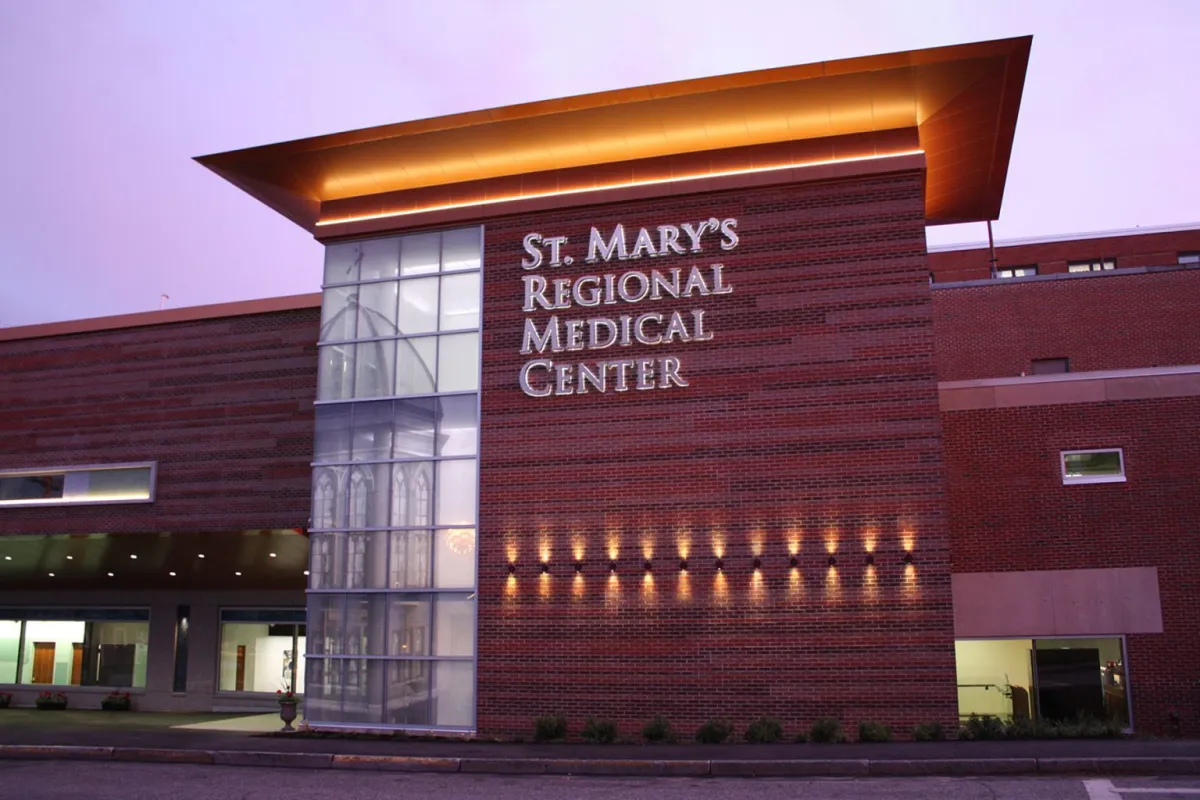 Photo: St. Mary's Medical Center, via stmarysmaine.com
"We usually schedule around school hours," explains volunteer coordinator Nancy, herself a grandmother of six. "Most of our ladies need to be available for pickup at 3:15. And summers are tricky because everyone has the grandkids."
The volunteer orientation reveals the hidden architecture. Training sessions are scheduled for 10 AM Tuesday mornings—after school drop-off, before lunch prep for visiting grandchildren. The annual volunteer appreciation dinner? Saturday at 5 PM, early enough for babysitting duties to commence.
Even the volunteer opportunities themselves reflect the demographic. The children's ward needs readers for story time. The gift shop specializes in items that grandmothers buy for grandchildren. The patient comfort program focuses on pediatric areas because "our volunteers really connect with the young families."
You offer to work evening shifts, weekend hours, holidays—times when the grandmother brigade isn't available. "That would be wonderful," Nancy says, but you can hear the hesitation. "Though you might be working alone quite a bit. Most of our teams prefer the daytime hours."
Translation: the social benefits of volunteering—the camaraderie, the friendships, the sense of belonging—happen during grandparent-friendly hours. You can contribute your labor, but you'll miss the community.
The PTA That Never Disbanded
The Roosevelt Elementary PTA Auxiliary represents the gold standard of civic engagement in suburban America. These women have been organizing fundraisers, coordinating events, and managing community initiatives for decades. They know every local politician, every business owner, every person who gets things done.
 Photo: Roosevelt Elementary, via www.dlrgroup.com
Their meetings happen at 9 AM on the second Wednesday of each month, immediately after the current PTA meeting ends. The location rotates between members' homes, but the agenda remains remarkably consistent: supporting current PTA initiatives through their grandchildren's involvement, organizing community events that benefit young families, and maintaining the social networks that have sustained them for thirty years.
"We'd love to have new members," insists president Dorothy, whose granddaughter just started kindergarten at Roosevelt. "Though it helps if you have a connection to the school. It's easier to understand the needs."
The connection, of course, is having grandchildren enrolled. The institutional knowledge, the relationships, the credibility—all flow from your position in the generational hierarchy. Your decades of professional project management experience matter less than your ability to navigate the current lunch menu controversy.
The Church Committee Conundrum
First Presbyterian's committee structure looks impressively democratic on paper. Social concerns, community outreach, fellowship events—surely there's a place for every willing volunteer. The reality proves more complicated.
The social concerns committee focuses heavily on issues affecting young families: childcare during services, family-friendly programming, support for new mothers. Community outreach prioritizes school partnerships, youth programs, and family crisis intervention. Even fellowship events revolve around multi-generational gatherings where grandparents can showcase their families.
"We appreciate all volunteers," explains committee chair Margaret, "but our programming really responds to congregational needs. And our congregation is primarily young families and their parents."
You volunteer for the annual charity drive, hoping to find your niche. The planning meeting reveals the hidden logistics: drop-off times coordinated around school schedules, sorting sessions timed for when grandchildren are in class, delivery routes planned around soccer practice pickup times.
Your suggestion to extend evening hours for working families receives polite consideration and quiet dismissal. "Our volunteers prefer to keep their evenings free," Margaret explains. "Family time is important."
Family time—the civic engagement trump card you'll never hold.
The Library Board That Speaks in School Calendar
The Millbrook Public Library desperately needs board members. Budget meetings, policy discussions, community programming—surely this represents neutral territory where your professional experience matters more than your reproductive history.
The first board meeting shatters that illusion. Discussion of summer programming centers entirely on keeping children engaged during break. Budget priorities focus on expanding children's services and family programming. Even the capital improvement debate revolves around creating more family-friendly spaces.
"We serve the whole community," board president Linda clarifies when you suggest programming for childless seniors, "but families with children are our primary users. We have to be responsive to their needs."
The meeting schedule accommodates school board conflicts, parent-teacher conference nights, and the intricate calendar of family obligations that define active community members. Your availability every night of the week marks you as someone whose time has less competing value.
The Fundraiser That Forgot You Exist
The annual United Way campaign represents the pinnacle of civic engagement—community members coming together to support local nonprofits and address pressing social needs. Surely this transcends family status.
The kickoff breakfast tells a different story. Table sponsors are introduced by their family connections: "The Johnson table, representing three generations of Roosevelt Elementary families." "The Martinez family table, celebrating their new granddaughter." Fundraising targets are framed around family motivation: "We're raising money for the community our children and grandchildren will inherit."
Even the volunteer opportunities reflect the demographic bias. Phone banking happens during school hours. Door-to-door campaigns avoid evening hours when families are together. The volunteer appreciation event coincides with grandparents' day at the local elementary school.
The Infrastructure You Never Built
The devastating realization hits during your third failed attempt to find meaningful civic engagement: this isn't about individual organizations being unwelcoming. This is about an entire social infrastructure built around assumptions you don't meet.
Civic engagement in America operates on relationship networks established through child-rearing, maintained through grandparent duties, and sustained by shared investment in the next generation. The connections that make volunteering socially rewarding—the friendships, the sense of purpose, the feeling of belonging—all flow from participating in this generational ecosystem.
Your professional skills are welcome as labor. Your time is appreciated as resource. But your experience doesn't translate into the social currency that makes civic engagement personally fulfilling.
The Cat Doesn't Volunteer
So here you are at 64, with more available time than any previous generation of retirees, more professional experience than most civic organizations could dream of, and a genuine desire to contribute to your community's well-being.
But the sign-up sheet asks for your grandchildren's school before it asks for your skills. The meeting times assume you're navigating someone else's schedule. The social connections that make volunteering meaningful flow through family networks you never joined.
The cats, at least, don't require you to prove your community value through reproductive achievements. Though they're notably unimpressed by your willingness to serve on the hospital board.
Turns out, civic duty is another institution that assumes you came with attachments.