The Subdivision Social Ladder You Never Knew Existed: Welcome to the Grandparent-Industrial Complex

The Resume That Doesn't Count
Donna moved to Willowbrook Estates with an impressive portfolio: 25 years in nonprofit management, a Rolodex that could populate a small city, and enough organizational experience to run a small country. What she didn't have was the one qualification that actually mattered in suburban social infrastructure: a history of coordinating elementary school carnivals.
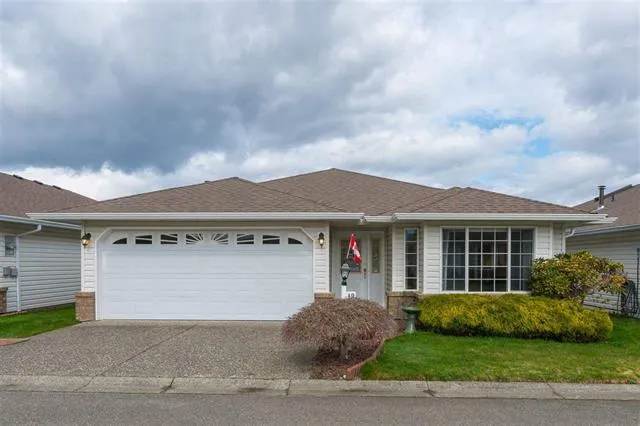 Photo: Willowbrook Estates, via teamjoyceanddale.avenuehq.com
Six months later, she's still trying to figure out why her offers to help with the neighborhood newsletter were met with polite deflection, why the block party planning committee somehow filled up before she heard about openings, and why the HOA board seems to operate according to an invisible hierarchy she can't decode.
"I've managed million-dollar budgets and coordinated events for hundreds of people," Donna says, standing in her immaculate kitchen that overlooks a cul-de-sac buzzing with activity she's not part of. "But apparently that doesn't translate to getting invited to plan the Fourth of July potluck."
Welcome to the grandparent-industrial complex, where your MBA means less than your experience managing soccer carpool schedules, and your leadership credentials can't compete with two decades of PTA politics.
The Invisible Org Chart
Every American suburb operates according to an organizational structure that would make corporate consultants weep with envy. It's sophisticated, efficient, and completely impenetrable to outsiders. The leadership pipeline flows directly from elementary school fundraising committees to neighborhood watch coordinators to HOA board members.
Linda Harrison has been the unofficial mayor of Maple Ridge for fifteen years, not because she was elected to anything, but because she spent the previous fifteen years organizing everything from school book fairs to Little League snack schedules. Her authority derives from a simple fact: she knows everyone, their kids, their grandkids, and their extended family drama.
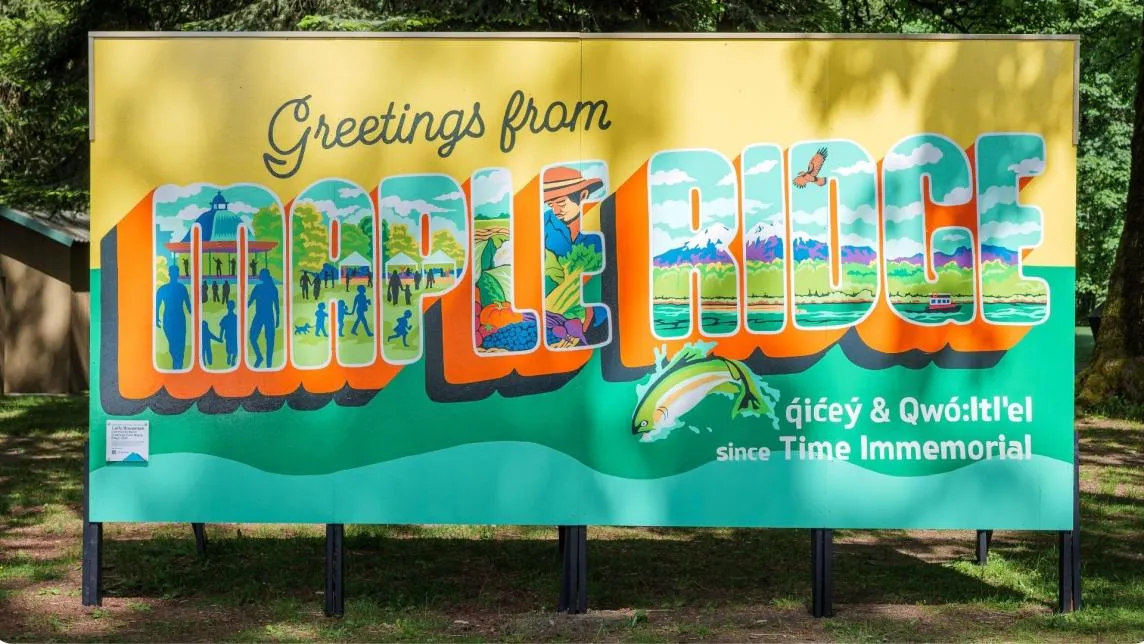 Photo: Maple Ridge, via www.mapleridge.ca
"People don't realize how much social capital gets built through all those years of school events," Linda explains, sorting through RSVPs for the annual neighborhood barbecue. "You learn who follows through, who creates drama, who can be trusted with money. By the time your kids graduate, you've basically assembled a complete psychological profile of every family in a five-mile radius."
This intelligence network becomes the foundation for every subsequent community organization. When the HOA needs a new treasurer, they don't post notices or hold open elections. They tap someone who proved their competence managing the middle school band's fundraising account. When the block party committee needs coordination, they recruit the woman who successfully organized seventeen years of Halloween trick-or-treat routes.
For childless women arriving with traditional credentials, it's like showing up to a job interview speaking the wrong language. Your experience is impressive, but it's not relevant to the actual skill set these communities value.
The Apprenticeship Program You Missed
What makes suburban social structures particularly impenetrable is their apprenticeship model. Current leaders didn't just wake up one day and decide to run the neighborhood — they were systematically trained through decades of increasingly complex volunteer responsibilities.
It starts with simple tasks: bringing snacks to preschool, helping with classroom parties, volunteering for field trip supervision. But each role builds specific skills that become essential for community leadership: managing competing personalities, coordinating complex schedules, handling money with absolute transparency, and navigating the delicate politics of group decision-making.
"You can't just show up at fifty-five and expect to understand how these communities work," observes Dr. Patricia Williams, who studies suburban social structures. "The current leaders have been practicing these skills for twenty-five years. They've earned their authority through a very specific type of experience."
 Photo: Dr. Patricia Williams, via drpatriciamills.com
The apprenticeship also creates bonds that extend far beyond functional cooperation. Women who survived the chaos of elementary school volunteering together develop the kind of trust that comes from seeing each other handle genuine crises. They've covered for each other during family emergencies, mediated disputes between difficult parents, and collectively managed the logistics of events that could have gone disastrously wrong.
Childless women, no matter how competent, lack this shared trial-by-fire experience. They're asking to be trusted with community leadership without having demonstrated their crisis management skills in the specific context these communities understand.
The Social Currency Exchange Rate
The most sophisticated aspect of suburban power structures is their currency system. Professional accomplishments, advanced degrees, and corporate leadership experience have value, but they trade at a significant discount to parenting-based social capital.
Janet discovered this when she offered to redesign the neighborhood association's financial tracking system. Her background in corporate finance should have made her an obvious choice for treasurer, but the position went to someone whose primary qualification was managing her daughter's dance team fundraising for eight years.
"They were very nice about it," Janet recalls. "They said they appreciated my expertise, but they needed someone who 'understood the community dynamics.' I thought financial management was financial management, but apparently there's a whole social component I was missing."
The social component is real. Suburban financial management isn't just about balancing books — it's about understanding which families can afford voluntary assessments, whose financial struggles require discrete accommodation, and how to collect dues without creating neighborhood drama. This knowledge comes from years of observing families through school fundraising cycles, understanding their circumstances through casual conversations at sporting events, and building the personal relationships that make difficult conversations possible.
Professional credentials can't compete with this type of institutional knowledge. A CPA who moved to the neighborhood last year doesn't know that the Johnsons are struggling with medical bills, that the Smiths always pay late but always pay, or that the previous treasurer's lenient approach to collections was actually strategic relationship management.
The Committee That Runs Everything
Behind every successful suburban community sits what locals call "the committee" — an informal group of women who've been coordinating everything from school events to neighborhood activities for decades. They don't have official titles or formal authority, but they're the ones who actually make decisions about everything from street light repairs to holiday decoration budgets.
Membership in "the committee" isn't based on elections or applications. It's earned through years of reliable service, demonstrated competence under pressure, and the kind of social intelligence that comes from managing complex family and community relationships simultaneously.
"We don't exclude anyone intentionally," explains Carol, whose unofficial leadership role evolved from fifteen years of organizing school fundraisers. "But when we need to make quick decisions about community issues, we naturally turn to people we've worked with before, people whose judgment we trust. That happens to be the same group of women who've been handling neighborhood logistics for years."
For childless women hoping to contribute to community leadership, "the committee" represents an impenetrable social structure. They're welcome to help with specific tasks, but the strategic planning happens among women who've earned their positions through a very particular type of experience.
The exclusion isn't malicious, but it's absolute. When the neighborhood needs someone to coordinate with city officials about a traffic light installation, "the committee" doesn't think about the retired urban planner who moved in last year. They think about the woman who successfully navigated school district bureaucracy for two decades.
The Leadership Pipeline That Bypassed You
The cruelest irony of suburban social structures is how they mirror the professional advancement systems that many childless women mastered in their careers. There are clear hierarchies, proven leadership development paths, and systematic skill-building opportunities.
The difference is that this advancement system was operating in parallel to corporate America, building its own elite class while career-focused women were climbing different ladders. Now, at retirement, these two systems intersect for the first time — and only one side has home-field advantage.
"It's like showing up to play tennis and discovering everyone else has been playing by cricket rules," says Margaret, 58, who moved to a retirement community expecting her corporate leadership experience to translate into community involvement. "The game looks similar from a distance, but once you're on the field, you realize you don't understand the actual rules."
The rules, it turns out, were written by women who spent decades managing the complex social ecosystems that surround children's activities. They learned to balance competing personalities, manage limited resources, and maintain community cohesion while dealing with the high-stakes drama that surrounds everything from playground equipment purchases to holiday party planning.
These skills transfer seamlessly to HOA management, neighborhood watch coordination, and block party organization. The same woman who successfully mediated disputes between soccer parents can handle property line disagreements. The treasurer who managed school fundraising accounts can oversee community association finances.
For childless women arriving with different types of leadership experience, the transition is jarring. Their skills are valuable, but they're not the specific skills these communities need. Worse, there's no clear path to acquire the missing qualifications retroactively.
The Power Structure That Hides in Plain Sight
The most sophisticated aspect of suburban social hierarchies is their invisibility. There are no official announcements about leadership requirements, no posted qualifications for community involvement, no explicit exclusion of childless women. The system operates through what sociologists call "institutional knowledge" — understanding that's passed down through informal networks and accumulated through shared experience.
New residents receive welcome packets explaining garbage collection schedules and architectural guidelines, but nobody explains the social infrastructure that actually runs the community. The assumption is that people will naturally integrate into existing networks, but those networks were built around shared experiences that not everyone has access to.
"The hardest part is that everyone's very nice," observes Susan, who's been trying to get involved in her neighborhood association for two years. "They're not deliberately excluding me. They just operate according to relationships and understandings that I'm not part of. It's like trying to join a conversation that's been going on for twenty years."
The conversation has been going on for twenty years, and it's been conducted in a language of shared parenting experiences, coordinated family logistics, and collective problem-solving around child-related challenges. Women who speak this language fluently move seamlessly into community leadership roles. Women who don't find themselves permanently relegated to peripheral involvement.
As the suburbs age and more childless women arrive in retirement communities, this dynamic is creating a new kind of social stratification. The women who were supposed to benefit from expanded choices and professional opportunities are discovering that the community infrastructure they assumed would welcome their expertise was actually built by the women they thought were "just" managing carpools.
The cats, for their part, remain excellent judges of character but terrible candidates for HOA board positions.