The Volunteer Application That Asked All the Wrong Questions

The Invisible Qualification Nobody Listed
The volunteer coordinator at Children's Hospital had kind eyes and a clipboard thick with good intentions. She smiled warmly as she explained the reading program: "We just need volunteers to spend an hour a week with our young patients, nothing complicated." Then came the pause. The slight tilt of her head. The question that wasn't quite a question: "Do you have experience with children?"
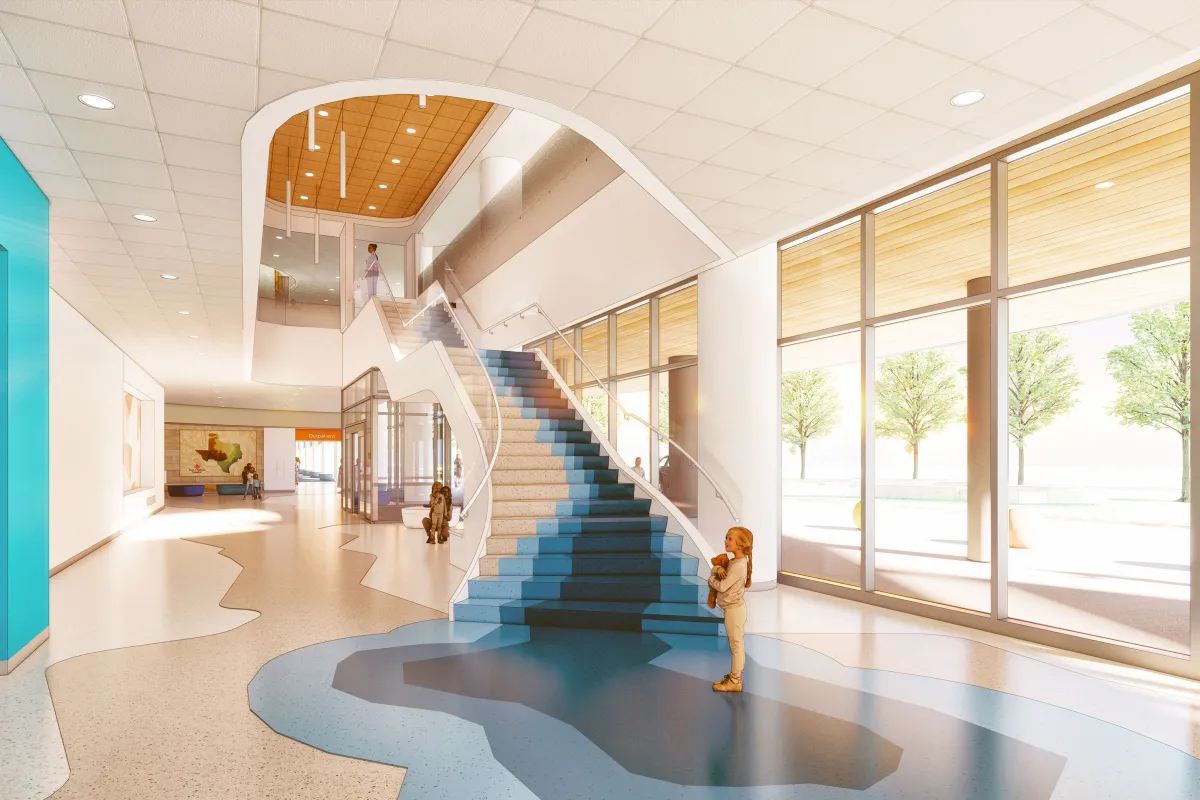 Photo: Children's Hospital, via gbdmagazine.com
What she meant, of course, was: "Do you have grandchildren?" What she heard when I mentioned my corporate training background was: "This woman has spent forty years in boardrooms and probably thinks bedtime stories require PowerPoint presentations."
The Credentialing System Nobody Talks About
America's vast volunteer ecosystem — from hospital auxiliaries to literacy programs to youth mentorship organizations — operates on an invisible credentialing system that has nothing to do with background checks and everything to do with biological history. The assumption is simple: women who raised children and are now raising grandchildren arrive pre-equipped with the patience, intuition, and natural connection necessary for service work.
The rest of us? We're viewed as well-meaning but fundamentally untrained civilians attempting to enter a profession we're not naturally suited for.
I've spent decades managing teams, negotiating complex deals, and mentoring junior executives. I can read a room, adapt my communication style, and handle unexpected challenges with grace. But apparently, none of this translates to sitting with a seven-year-old who wants to hear "Goodnight Moon" for the third time.
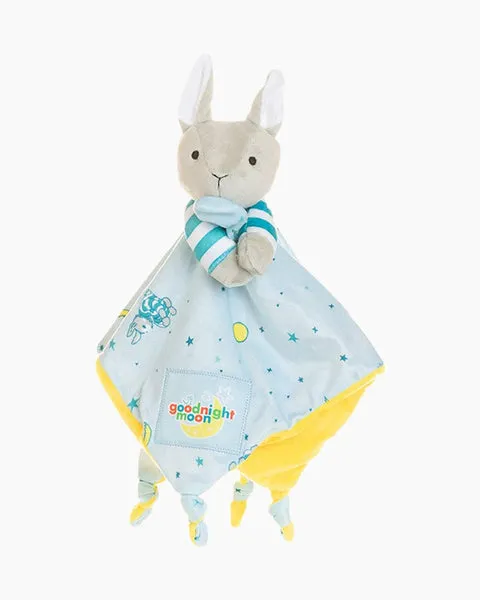 Photo: Goodnight Moon, via booksofwonder.com
The Training They Don't Offer
The orientation materials are telling. "Working with Children 101" assumes you've already completed "Raising Your Own Children" and "Surviving the Teenage Years" as prerequisites. The advice feels like refresher course material rather than foundational training: "Remember to speak at their level" and "Keep activities age-appropriate" — instructions that make perfect sense if you've spent years calibrating your communication for different developmental stages.
For those of us who went straight from "How to Run a Meeting" to "How to Volunteer with Kids," the learning curve is steep and the support system assumes knowledge we don't have. Nobody teaches you that a fidgety six-year-old might need to move while listening, or that sometimes "I'm not feeling well" means "I miss my mom" rather than actual physical discomfort.
The grandmothers in volunteer training nod knowingly at scenarios that leave me frantically taking notes. They've been here before, in living rooms and backyard playgrounds and family road trips. Their confidence is earned through years of trial and error with people they loved unconditionally. Mine feels borrowed and slightly fraudulent.
The Unspoken Hierarchy of Caring
What becomes clear quickly is that volunteer organizations operate with an unspoken hierarchy of caring. At the top: grandmothers who've been shaped by decades of family service and arrive with an emotional intelligence that seems almost supernatural. They can defuse a tantrum, sense when a child needs space, and somehow know exactly when to bend the rules.
Below them: mothers whose children have grown, who bring recent experience and battle-tested patience.
And then there's everyone else — the childless women who show up with good intentions, flexible schedules, and a nagging sense that we're missing some crucial piece of equipment for this work.
The cruel irony is that many of us finally have the time and resources to give back just as we discover that our life choices have left us uniquely unqualified for the most meaningful volunteer opportunities.
The Questions Behind the Questions
The volunteer coordinator's questions are never directly about family status, but the subtext is unmistakable:
"What draws you to working with children?" (Translation: "Do you miss being around kids because your grandchildren live far away, or are you one of those childless women trying to fill a void?")
"How do you handle challenging behavior?" (Translation: "Have you survived teenage attitude and toddler meltdowns, or will you panic the first time someone has a breakdown?")
"What age group do you feel most comfortable with?" (Translation: "Which of your own family members' developmental stages did you enjoy most?")
The assumption that volunteering with children is a natural extension of family life rather than a learnable skill set creates an invisible barrier for women who chose different paths.
The Corporate Skills That Don't Translate
I thought my professional background would be an asset. Project management skills, surely, would help with organizing activities. My experience training new employees would translate to working with young learners. My ability to remain calm under pressure would serve me well with emotional children.
What I didn't anticipate was how much of successful child interaction relies on intuitive understanding rather than learned techniques. The grandmother volunteers don't need to think about how to comfort an upset child — their arms automatically open, their voices instinctively soften, their presence becomes immediately reassuring.
My comfort zone involves spreadsheets and strategic planning. Theirs involves scraped knees and hurt feelings and the kind of unconditional presence that comes from years of loving someone more than yourself.
The Training Wheels They Don't Provide
The most successful volunteer programs pair new recruits with experienced mentors. But when the mentoring relationship assumes shared life experience that doesn't exist, the guidance becomes difficult to translate. "Just treat them like you would your own grandchild" isn't helpful advice when you don't have grandchildren to reference.
What we need is a different kind of training — one that teaches the foundational skills that family life typically provides. How to read emotional cues in children. How to provide comfort without overstepping boundaries. How to be present with someone else's pain without trying to fix it.
Instead, we get orientations designed for women who've been practicing these skills in their living rooms for decades.
The Gift We Didn't Know We Were Missing
The hardest part isn't the learning curve — it's the realization of what we missed by not having these relationships in our personal lives. Watching grandmother volunteers with the children reveals a kind of easy intimacy that comes from years of loving without agenda, caring without expectation of return.
They bring a quality of presence that can't be taught in orientation sessions or learned from training manuals. It's the residue of decades spent putting someone else's needs first, of finding joy in small moments, of loving someone simply because they exist.
We arrive with excellent intentions and empty résumés for the kind of caring these organizations need most. The children deserve volunteers who know how to love them well, and we're still learning that this might be the most important skill we never developed.
The volunteer application never asked about our corner offices or quarterly reports. It wanted to know if we understood how to show up for someone who needs us, and our answer — despite our best efforts — was still under construction.