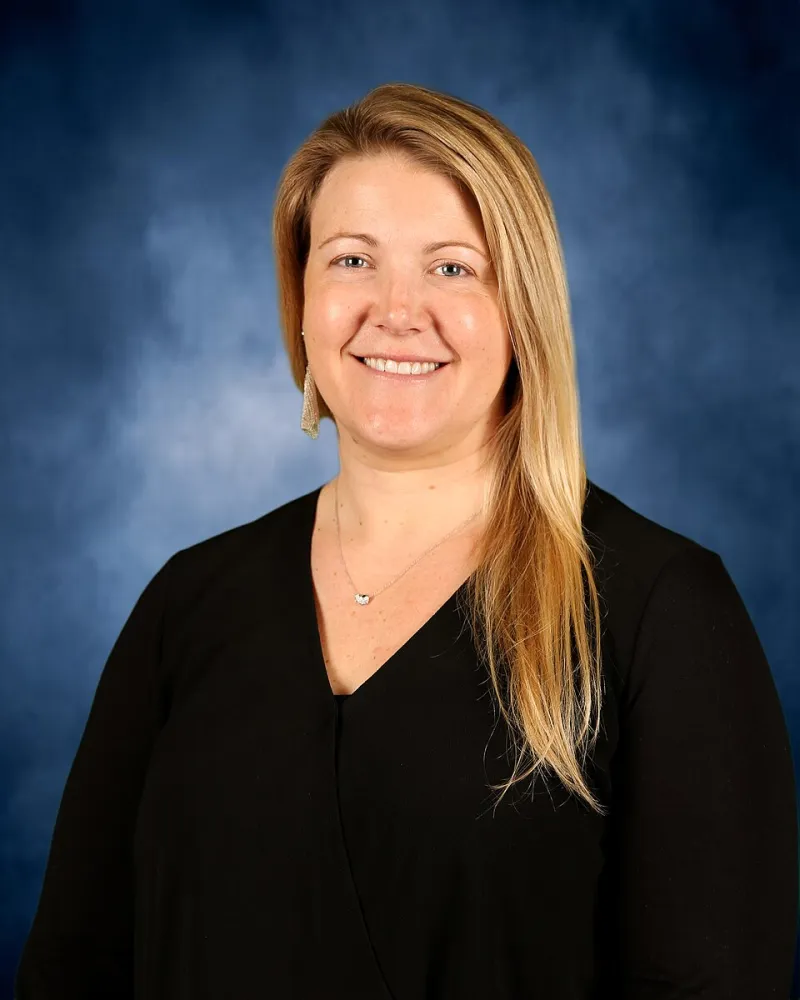
She Planned Her Own Standing Ovation — The Theater Was Empty
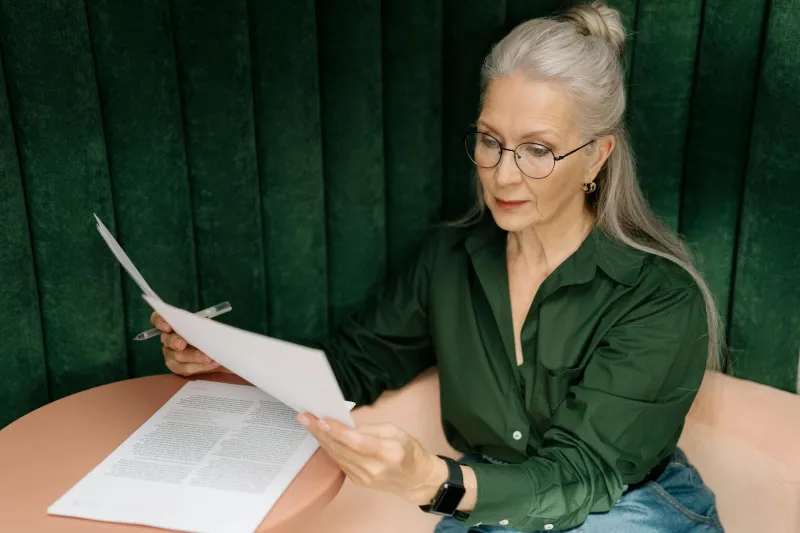
The Executive Summary of a Life Well-Lived
Margaret Chen spent three months crafting her own obituary. Not because she was dying — her health was excellent — but because she'd finally faced the uncomfortable math of her mortality. Sixty-three years old, no children, no nieces or nephews who knew her middle name or remembered her college stories. The people who would handle her final arrangements were her estate attorney and a neighbor who sometimes collected her mail.
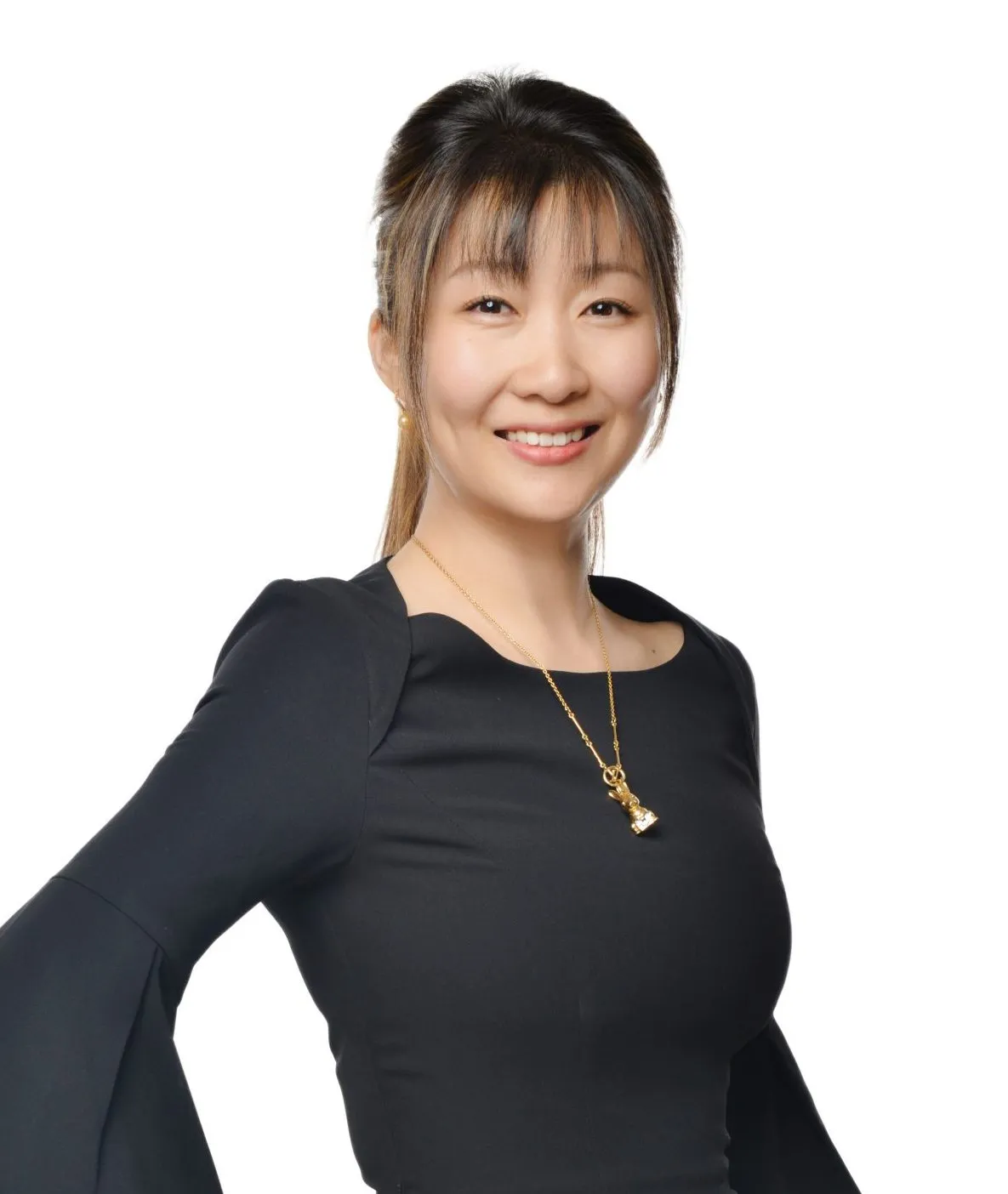 Photo: Margaret Chen, via www.fredkan.com
So Margaret did what she'd done her entire career when faced with a problem: she took control of the solution.
The obituary was magnificent. Two pages of accomplishments, philanthropic work, and personal interests. It read like the biography of someone who'd lived fully and intentionally. The only problem? She had no idea who would submit it to the newspaper, or if anyone would read it besides the crematorium staff.
The DIY Death Industry Nobody Talks About
Margaret isn't alone. Across America, a quiet cottage industry has emerged around childless professional women taking meticulous control of their own end-of-life narratives. They're pre-writing obituaries, planning memorial services, and creating detailed instructions for their final arrangements — not out of morbidity, but out of necessity.
The infrastructure that traditionally handles these details — loving children who knew your stories, siblings who shared your history, grandchildren who inherited your photo albums — simply doesn't exist for a generation of women who prioritized other things.
The result is a strange new category of life planning that falls somewhere between estate preparation and performance art: women directing their own final acts because they're the only ones who know their lines.
The Audience Problem
The cruelest irony is that many of these women lived remarkable lives. They broke barriers, mentored dozens of colleagues, traveled extensively, and accumulated fascinating collections of experiences and wisdom. Their obituaries read like adventure novels crossed with business case studies.
But an obituary without readers is like a standing ovation in an empty theater. All that applause with no one to hear it.
Sarah Martinez, 67, recently completed a 12-page memorial service program for herself, complete with suggested readings and a carefully curated playlist. She'd spent forty years as a federal judge, had traveled to all seven continents, and spoke four languages. Her memorial service plan was more thoughtfully designed than most weddings.
 Photo: Sarah Martinez, via sarahmartinez.com
The guest list, however, remained stubbornly short. Colleagues from decades past, a few neighbors, some fellow board members from charitable organizations. People who knew her professional accomplishments but not her private jokes, who could speak to her public impact but not her personal quirks.
The Biographical Infrastructure We Never Built
Children serve as more than just funeral attendance — they're the keepers of family mythology, the ones who remember your favorite holiday traditions and embarrassing college stories and the way you looked when you laughed. They're your unofficial biographers, collecting details about your life that seem insignificant until someone needs to sum up who you were.
Without that biological infrastructure, the women planning their own farewells face a peculiar challenge: how do you compress a lifetime into a narrative when you're the only one who knows the full story?
Linda Park solved this by creating what she calls her "life documentation project" — detailed written accounts of her major life events, complete with photos and context. It reads like a memoir written for an audience of one: whoever eventually handles her estate. She's become her own biographer, archivist, and memorial planning committee.
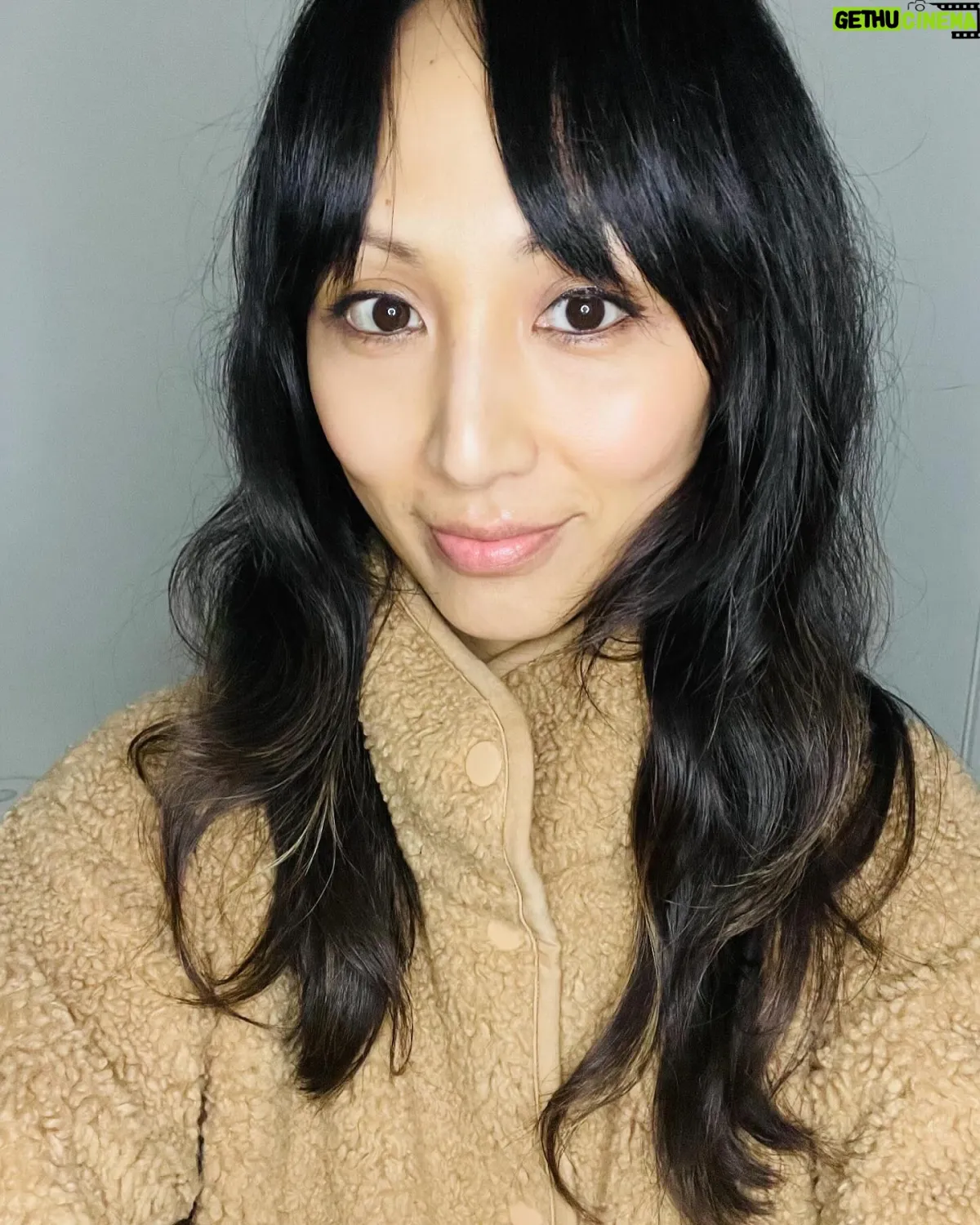 Photo: Linda Park, via www.gethucinema.com
The Professional Mourners We Never Hired
Some women are getting creative about the audience problem. Patricia Williams hired a professional memorial service coordinator — essentially a wedding planner for funerals — to ensure her service reflects her personality rather than generic funeral home templates.
Others are pre-paying for memorial advertisements in newspapers and professional publications, ensuring their accomplishments get proper recognition even if no one's around to submit the announcements.
A few have arranged for their eulogies to be delivered by professional speakers who will research their lives and present their stories with appropriate gravitas. It's like hiring actors to play your family at your own funeral.
The Inheritance of Stories Nobody Will Receive
What haunts many of these women isn't the logistics of their final arrangements — they've mastered more complex project management in their careers. It's the waste of all the stories that will die with them.
Every family has a repository of shared memories, inside jokes, and repeated stories that get passed down through generations. The grandmother who always burned the Christmas cookies. The aunt who traveled to exotic places and brought back strange souvenirs. The mother who had strong opinions about everything and wasn't shy about sharing them.
Childless women accumulate just as many stories — they just don't have anyone to tell them to. Their adventures become anecdotes with no audience, their wisdom becomes advice with no recipients, their personalities become memories that exist only in their own minds.
The Final Performance Review
Perhaps the most poignant aspect of this trend is how these women approach their own eulogies. They write them like performance reviews, focusing on achievements and impact rather than relationships and love. Because that's the language they know, and those are the metrics by which their lives make sense.
"She mentored 47 young professionals," reads one self-written obituary. "She served on 12 nonprofit boards." "She traveled to 34 countries." The accomplishments are impressive, the impact undeniable. But the emotional texture of a life lived — the daily joys, the private struggles, the small moments that made someone who they were — those details require witnesses who aren't just professional acquaintances.
The Standing Ovation for One
In the end, Margaret Chen did submit her own obituary — to a website that specializes in advance obituary submissions. She also prepaid for a memorial service at her favorite restaurant, complete with a catered reception and a playlist that includes both Bach and Beyoncé.
Will anyone come? She's honestly not sure. But she's proud of the life she's lived, and if no one else is going to tell that story properly, she'll tell it herself.
It's the ultimate act of self-advocacy: ensuring your final act gets the attention and respect it deserves, even if you have to be your own audience. After all, she spent her entire career making sure her work spoke for itself. Why should her life be any different?
The theater might be empty, but the performance will be flawless. And sometimes, that's enough.