The Retirement Village Brochure Has Two Bedroom Floorplans and Zero Cat Doors: A Field Guide to Housing No One Designed for You
The Floor Plan That Assumes You Reproduced
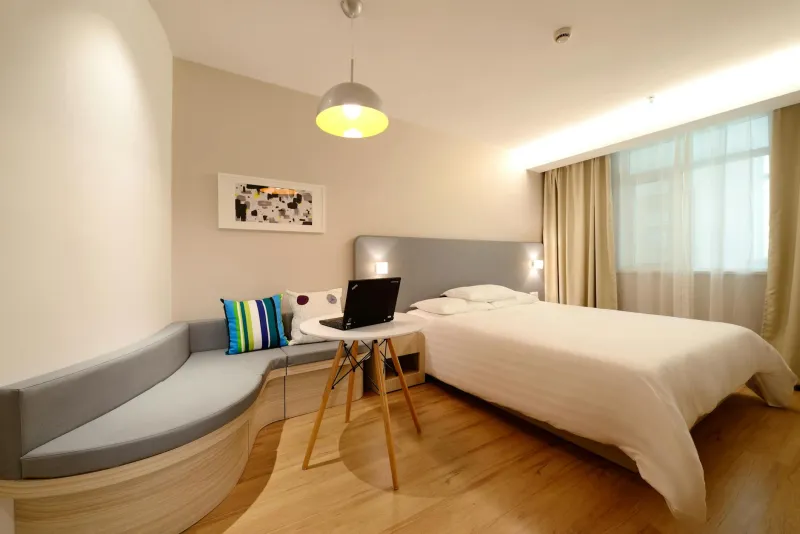
Flip through any retirement community brochure and you'll notice something peculiar: every single floor plan comes with a guest bedroom. Not a craft room, not a home office, not even a library — a guest bedroom. Because apparently, the architects of America's golden years housing market have made a critical assumption about your life choices at thirty that's now finding you at sixty-five.
These aren't suggestions. They're mandates wrapped in Mediterranean tile and crown molding. The "Grandview Suite" (yes, that's a real floor plan name) features a master bedroom, guest suite, and "family gathering area" — because nothing says comfortable retirement like a living room specifically designed for hosting people who share your DNA.
The Amenities Package That Forgot About You
Let's talk about the amenities that every retirement community markets as "lifestyle enhancements." The children's playground (for visiting grandchildren, naturally). The multi-generational fitness center (because apparently your workout routine should accommodate toddlers). The "family picnic pavilion" with grills sized for reunion-level gatherings.
Meanwhile, Duchess — your seven-year-old rescue who's been your most consistent companion since the divorce — isn't mentioned in a single marketing brochure. No cat doors in those custom-designed entryways. No mention of pet exercise areas that aren't shared with visiting golden retrievers named after grandchildren. No acknowledgment that some of us built our families differently.
The sales representative will cheerfully point out the guest parking spaces ("Perfect for when the kids visit!") while you're mentally calculating whether your Honda Civic needs that much space. She'll highlight the craft room's large tables ("Ideal for helping with school projects!") while you wonder if there's enough natural light for your watercolors.
The Hidden Costs of Other People's Life Choices
Here's what the retirement village marketing materials won't tell you: you're subsidizing other people's family infrastructure. That playground equipment? It's built into everyone's HOA fees, whether you use it or not. The family pavilion with the industrial-grade grills? You're paying for maintenance on amenities designed for gatherings you'll never host.
The "family suite" floor plans command premium pricing because they assume cost-splitting. The marketing materials casually mention how "children often help with the down payment" — a financial strategy that works beautifully if you spent your thirties building a family instead of a 401k.
Meanwhile, you're looking at floor plans designed for a life you didn't choose, priced for a support system you don't have, in communities built around social structures you opted out of decades ago.
The Emergency Contact Assumption
Every retirement community application asks for emergency contacts — plural. Not one backup person who might answer their phone. Multiple people who care enough about your wellbeing to drop everything and drive over. The assumption is so fundamental that most forms don't even have a "none" option.
Your emergency contact lives in another time zone and goes by "Dr. Martinez" because she's your longtime physician. Or maybe it's Sarah from book club, who's lovely but probably wouldn't know how to find your spare key. The retirement community's medical protocols assume someone with your last name will be advocating for your care.
The Social Infrastructure You Can't Buy
The cruelest irony of retirement community living is that the real amenity — the thing that actually determines quality of life — isn't the heated pool or the bocce ball courts. It's the built-in social network that comes with having people who are obligated to care about you.
The women with grandchildren have automatic conversation starters, shared babysitting duties, and holiday plans that extend beyond "what's Netflix recommending this year." They have people who call to check if they made it home safely, people who notice when they miss activities, people who remember their birthday without Facebook reminders.
You have Duchess, who's excellent company but terrible at driving you to medical appointments.
The Architectural Loneliness
Retirement communities are designed around the assumption that aging involves a gradual transition from independence to interdependence — but only the kind of interdependence that comes with biological ties. The floor plans anticipate visiting family members. The common areas facilitate intergenerational gatherings. The entire infrastructure assumes someone younger and more capable will eventually be helping with decisions.
What they don't design for is the specific type of aging that happens when your support system consists of carefully cultivated friendships, professional relationships that outlasted your career, and a very loyal cat who's mastered the art of emotional support.
The Brochure They'll Never Print
Somewhere in America, there should be a retirement community designed for the women who chose differently. Floor plans with home offices instead of guest bedrooms. Amenities that include book clubs, art studios, and quiet spaces for contemplation instead of playground equipment. Emergency contact forms that acknowledge chosen family instead of assuming biological obligation.
Community gardens with sections specifically for cat grass. Walking trails designed for solitary reflection instead of multigenerational strolling. Common areas that facilitate the kind of deep, intentional friendships that become family when family was never part of the plan.
Until then, you'll be the woman asking whether the guest bedroom could be converted to a library, whether the family gathering area could accommodate a writing desk, and whether anyone has considered installing cat doors in the custom entryways.
Because the choices you made at thirty found you at sixty-five, and apparently, so did everyone else's assumptions about what those choices should have been.